Sourcing Clay Tiki products requires more than comparing factory prices. It requires evidence, testing, and careful communication. The global ceramics market reached approximately USD 245.9 billion in 2022, according to Grand View Research. However, that figure includes construction, technical, and household ceramics. It does not guarantee demand for decorative tiki items. Category data must be interpreted carefully.
Reliable sourcing begins with supplier verification. The supplier should provide a registered business address, production photographs, material specifications, and recent quality records. Ask for a physical sample before approving large quantities. Check its weight, wall thickness, glaze coverage, base stability, and color consistency. A good sample should survive normal handling. It should not leave sharp edges on your fingers.
The International Trade Centre and UN Comtrade provide useful import and export data for ceramic articles. These sources can help compare supplying countries, trade volumes, and tariff classifications. Yet trade statistics rarely reveal defect rates or ethical factory practices. That is where buyer experience matters. Request independent testing for restricted substances, especially when products may contact food or beverages. Verify lead and cadmium limits against the destination market’s requirements.
Cost is only one part of the decision. Freight damage, packaging waste, mold charges, and rejected units can quickly change the final price. A carton may look secure until a rough port transfer proves otherwise. I have seen buyers trust attractive photographs too early. That mistake is understandable, but avoidable. This guide explains how to assess Clay Tiki suppliers through documentation, samples, audits, testing, and realistic total-cost calculations.
Before contacting suppliers, define how the clay tiki product will be used. A tabletop ornament needs different requirements than a garden vessel. Record the target height, width, wall thickness, weight, and opening size. Include a tolerance for each measurement. A small variation can affect packaging and stability. Details matter.
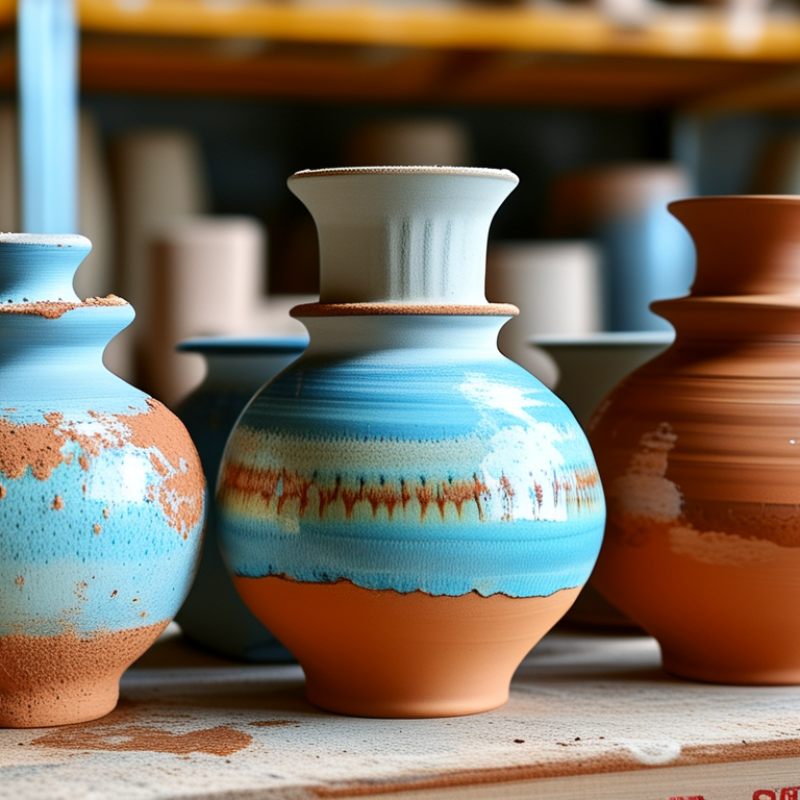
Specify the clay body and surface finish in practical terms. State whether you need a coarse, smooth, or textured surface. Describe the desired color with a physical reference, not only words like “earthy brown.” Note glaze coverage, gloss level, edge sharpness, and acceptable pinholes. I have learned that vague finish descriptions create expensive revisions. A supplier may meet the words but miss the intended appearance.
Your brief should also define performance checks. Request samples showing color consistency, flat bases, secure handles, and resistance to ordinary moisture. If the product is decorative, say so clearly and avoid unverified performance claims. Ask for the firing range, material composition, production capacity, and inspection process. Reliable suppliers should explain these details with supporting records. They should also identify known limitations rather than promise perfection.
Create a sample approval sheet with photographs and measurable standards. Check several pieces, not just the best sample. Some flaws may appear only after repeated production. Keep one approved sample for comparison, while allowing reasonable handmade variation. My own specifications have sometimes been too strict, reducing the product’s natural character. That is worth reviewing before confirming quantities, packaging, and delivery schedules.
| Requirement Dimension | Recommended Product Requirement | Practical Specification or Target | Quality Acceptance Criteria | Supplier Documentation or Evidence | Typical Sourcing Risk |
|---|---|---|---|---|---|
| Clay Body Composition | Use a consistent earthenware or stoneware clay body suitable for the intended firing temperature. | Earthenware is commonly fired around 1,000–1,150°C; stoneware is generally fired around 1,200–1,300°C. | Each production batch should have consistent color, density, shrinkage, and firing behavior. | Clay-body technical sheet, firing records, batch identification, and approved pre-production sample. | High Different clay bodies can change dimensions, color, strength, and glaze results. |
| Product Dimensions | Define the finished height, diameter, wall thickness, opening size, and capacity before quotation. | For a typical tiki mug, specify dimensions with a tolerance of approximately ±2–3 mm and capacity in milliliters. | Measured dimensions must remain within the approved tolerance after firing and glazing. | Dimensioned technical drawing, measurement report, approved sample, and inspection checklist. | High Clay shrinks during drying and firing, so unfired dimensions should also be controlled. |
| Firing Shrinkage | Establish the expected linear shrinkage of the selected clay body and production process. | Many ceramic bodies experience approximately 5–15% linear shrinkage from wet or leather-hard state to final firing, depending on the formulation and process. | Final dimensions should match the approved sample and remain within the agreed tolerance. | Shrinkage test results, kiln-firing profile, sample comparison, and batch measurement records. | High Uncontrolled shrinkage may cause fit, capacity, packaging, and visual consistency problems. |
| Wall Thickness | Specify a wall thickness that balances durability, weight, appearance, and production feasibility. | Define a target thickness on the technical drawing; avoid abrupt thickness changes that may increase stress during drying and firing. | No dangerously thin areas, pinholes, weak handles, or visible distortion in the finished product. | Cross-section sample, production drawing, thickness measurement method, and pre-shipment inspection report. | High Uneven walls can lead to cracking, warping, heavy weight, or inconsistent capacity. |
| Shape and Decorative Relief | Define the tiki face, carving depth, raised elements, handles, feet, and other three-dimensional details. | Specify the location and maximum height of relief details, especially near rims, handles, and narrow projections. | Relief must be clearly recognizable, securely attached, free from sharp unintended edges, and consistent with the approved sample. | CAD drawing or molded reference sample, approved golden sample, and visual inspection standard. | Medium Fine relief may lose definition or crack if it is too thin or is released from the mold poorly. |
| Rim and Drinking Surface | Provide a smooth, stable, and comfortable rim suitable for food or beverage contact. | Define rim thickness, roundness, flatness, and the acceptable level of glaze coverage. | No sharp edges, exposed rough clay, crawling glaze, chips, or uncomfortable irregularities around the rim. | Food-contact surface specification, rim inspection criteria, sample approval, and final inspection records. | High The rim is a direct contact area and requires stricter visual and safety inspection. |
| Glaze and Surface Finish | Define the glaze color, gloss level, texture, coverage, and intentional variation. | Use a controlled color reference and specify whether variation, speckling, pooling, or exposed clay is acceptable. | No blistering, crawling, excessive pinholes, unapproved bare areas, or color outside the approved range. | Glaze formula or internal specification, color tiles, approved sample, and lot-based visual inspection report. | High Glaze results vary with application thickness, kiln atmosphere, firing curve, and clay body. |
| Food-Contact Safety | Use materials and glaze systems suitable for the intended food or beverage application. | Require testing against the regulations applicable to the destination market, including limits for extractable lead and cadmium where relevant. | Test results must be issued by a competent laboratory and correspond to the actual production material and finish. | Food-contact declaration, laboratory test report, glaze material records, and traceable production batch information. | High Decorative ceramic finishes may not automatically be suitable for food contact. |
| Water Absorption | Set a water-absorption target appropriate to the clay body and product use. | Low-absorption stoneware is generally more suitable for durable drinkware than porous earthenware, but the final target must be validated by testing. | Water absorption should remain within the agreed specification and show no leakage during the intended use test. | Water-absorption test method, test results, fired-body specification, and sample performance record. | High High porosity can increase staining, leakage, odor retention, and freeze-thaw vulnerability. |
| Thermal and Use Performance | Define whether the product must tolerate hot beverages, cold beverages, hand washing, or dishwasher use. | Use-cycle requirements should be agreed before production; avoid making microwave or dishwasher claims without validation. | No cracking, glaze damage, leakage, or unacceptable discoloration after the agreed use simulation. | Use-test protocol, thermal-cycle results, dishwasher or microwave validation where applicable, and product instructions. | High Rapid temperature changes can create thermal stress and cause ceramic failure. |
| Base Stability | Design a level and stable foot ring or base suitable for retail and everyday use. | Define the maximum acceptable rocking movement and the allowable variation in base flatness. | Product must sit securely on a flat surface without significant rocking, sharp kiln-wash residue, or unstable contact points. | Base-flatness inspection method, stability test, approved sample, and final inspection record. | Medium Warped bases may result from uneven drying, kiln placement, or inconsistent firing. |
| Handle and Attachment Strength | Control the design and attachment of handles, horns, ears, feet, and other applied components. | Use suitable joining methods and avoid sharp stress concentrations at attachment points. | Components must not loosen, crack, or detach during normal handling and the agreed transport simulation. | Attachment process instructions, sample strength test, visual inspection standard, and corrective-action records. | High Small applied parts are vulnerable to drying stress, impact, and handling damage. |
| Weight Control | Set a finished weight range to manage user comfort, freight cost, and packaging requirements. | Specify target weight and tolerance based on the final fired and glazed product. | Weight must remain within the approved range without compromising wall strength or capacity. | Weight-control sheet, calibrated scale records, approved sample, and batch inspection report. | Medium Large weight variation often indicates inconsistent wall thickness or moisture control. |
| Drying and Firing Control | Require a controlled drying process and documented kiln schedule. | Production should record drying conditions, kiln loading, peak temperature, holding time, and cooling procedure. | Products should be free from drying cracks, bloating, warping, underfiring, overfiring, and excessive color variation. | Process-control plan, kiln charts, firing logs, nonconformance records, and corrective-action documentation. | High Process variation can create defects even when the raw materials and mold are unchanged. |
| Defect Classification | Agree on critical, major, and minor defects before placing a production order. | Critical defects may include unsafe sharp edges or failed food-contact testing; major defects may include cracks, leakage, or severe deformation. | Use an agreed acceptance sampling plan and clearly defined defect photographs or physical references. | Quality standard, defect catalogue, inspection plan, sampling level, and signed approval of reference samples. | High Undefined defect standards often lead to disputes and inconsistent shipment quality. |
| Packaging and Transit Protection | Design protective packaging around the product's fragile areas, weight, and stacking orientation. | Use individual protection, impact-absorbing material, dividers, and a tested outer carton appropriate for international transport. | No breakage, glaze scuffing, or movement damage after the agreed drop, vibration, or compression simulation. | Packaging drawing, carton specifications, packing photos, transit-test report, and shipping inspection checklist. | High Decorative projections and handles require additional protection from impact. |
| Supplier Production Capability | Choose a supplier with proven experience in molded or hand-finished ceramic drinkware and decorative forms. | Confirm available molding, casting, trimming, glazing, kiln, inspection, and packaging capabilities. | Supplier should demonstrate repeatable production using samples made with the same or equivalent process. | Capability questionnaire, facility audit, process flow chart, equipment list, and comparable non-branded sample review. | High A visually strong prototype does not guarantee stable mass production. |
| Traceability and Change Control | Require traceability for clay, glaze, production dates, kiln loads, and inspection results. | Each shipment should be linked to identifiable production batches and approved material specifications. | Material or process changes must receive written approval before implementation. | Batch coding system, change-control procedure, material records, inspection reports, and retained samples. | Medium Unreported changes can alter color, dimensions, strength, and compliance results. |
| Pre-Production Approval | Approve a complete sample before bulk production begins. | The sample should represent final clay, glaze, decoration, dimensions, packaging, and intended production methods. | Bulk goods must match the approved sample within the agreed tolerances and visual standards. | Signed sample approval, specification sheet, inspection checklist, and retained golden sample. | High Approving only a digital image or an unfinished prototype leaves critical variables uncontrolled. |
Record height, width, wall thickness, weight, opening size, and measurement tolerances. A small difference matters. Use separate requirements for tabletop ornaments and garden vessels.
Specify a coarse, smooth, or textured surface. Use a physical color reference, not vague terms like “earthy brown.” Also define glaze coverage, gloss level, edge sharpness, and acceptable pinholes.
Include photographs, measurable standards, color references, and approved tolerances. Check several pieces from different batches. Keep one approved sample for comparison. I may set tolerances too tightly and remove useful handmade character.
Request multiple samples, inspection records, batch numbers, and supporting photographs. Check wall thickness, cracks, glaze consistency, color, and base stability. Evidence beats confidence.
Ask about kiln numbers, firing capacity, monthly output, drying time, and rejection rates. Review the production schedule. A pilot order can expose weak points early, but it cannot guarantee every future batch.
Verify registration documents, factory location, ownership details, export experience, and trade references. Consider a live video inspection or independent audit. Speak with the production manager when possible. A certificate alone may be outdated.
Include molding, glaze changes, export cartons, replacements, freight, inspection, and damaged-goods allowances. Ask about minimum order quantities and price validity. A cheap unit price can hide expensive packaging.
Use individual sleeves, molded dividers, and strong outer cartons. Request carton dimensions, gross weight, stacking limits, and drop-test photos. Confirm production time separately from shipping time, insurance, delivery point, and customs responsibilities. Delays often hide there.
Sourcing Clay Tiki products from reliable suppliers begins with clearly defining your product requirements, including dimensions, materials, colors, finishes, design details, and intended use. A structured supplier search should compare manufacturing experience, customization capabilities, production capacity, communication quality, and customer feedback. Before placing an order, verify each supplier’s business credentials, quality-control procedures, factory capabilities, and ability to maintain consistent standards across production batches.
Requesting and evaluating samples is essential for checking craftsmanship, durability, color accuracy, and overall appearance. Buyers should also compare pricing, minimum order quantities, lead times, packaging methods, and shipping terms to understand the full purchasing cost and reduce avoidable risks. Once an order is placed, clear specifications, written agreements, inspections, and accurate documentation help prevent misunderstandings. Regular communication and performance reviews can build a stable, long-term supplier relationship, supporting dependable quality, timely delivery, and smoother future orders.