For global buyers, finding a reliable Clay Bunny supplier requires more than attractive product photos. A handmade rabbit may look simple, yet its quality depends on clay selection, kiln temperature, glazing, and finishing control. Small details matter. Check the ears, feet, painted eyes, and surface texture for cracks or uneven color. These signs can reveal rushed production.
This guide introduces ten Clay Bunny suppliers suitable for international sourcing and retail planning. The comparison considers craftsmanship, production capacity, customization, minimum order quantities, pricing transparency, and communication quality. It also reviews packaging methods, sample policies, lead times, and export readiness. A supplier should explain whether each piece is handmade, molded, or partly machine-assisted. That distinction affects consistency and customer expectations.
Practical experience suggests requesting samples before placing a large order. Ask for carton dimensions, protective materials, product weight, and breakage procedures. Clear answers reduce unpleasant surprises. Still, no supplier is perfect. Handmade variation can be charming, but it may also create inconsistent inventory. Buyers should decide which differences are acceptable before negotiating.
The selected companies are assessed through available business information, product evidence, buyer feedback, and supplier responses. These sources may change over time. Verify current certifications, payment terms, production schedules, and shipping arrangements directly. A beautiful Clay Bunny is only one part of a successful purchase. Dependable service, honest descriptions, and careful quality checks matter just as much.
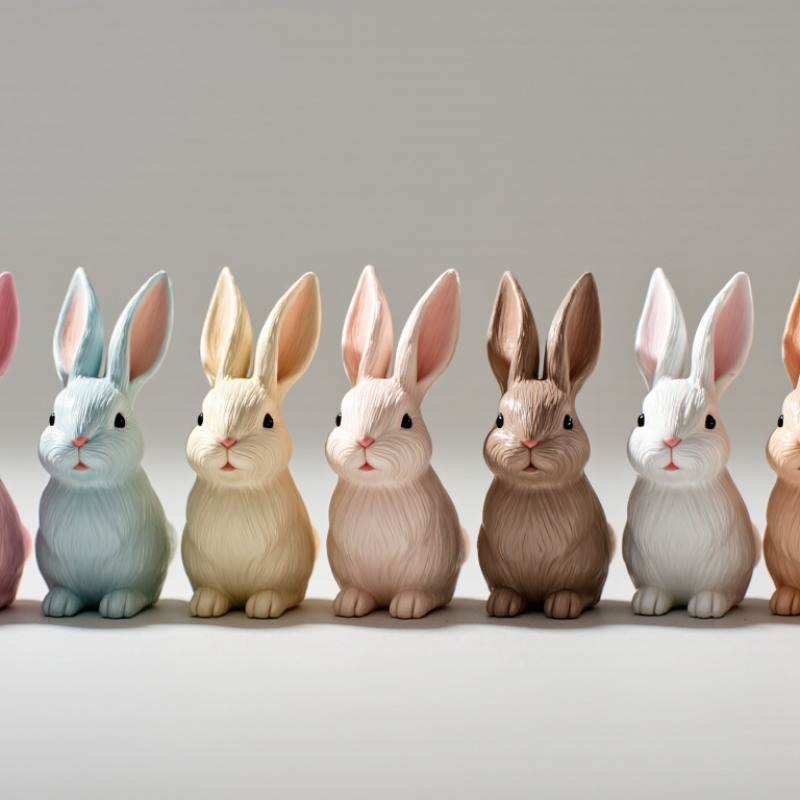
Clay bunny products are small decorative figures made from ceramic, air-dry clay, or polymer clay. They can be hand-sculpted, molded, glazed, painted, or left with a natural matte finish. Typical uses include Easter displays, spring tablescapes, nursery décor, gift baskets, and fairy gardens. The category is not perfectly standardized. That matters.
Allied Market Research estimated the global handicrafts market at about $752 billion in 2022. It projects growth to roughly $1.3 trillion by 2032. Clay bunnies represent only a small niche within this market. Still, the figures show rising interest in handmade and decorative goods. The National Retail Federation projected $22.6 billion in United States Easter spending for 2024. Seasonal retailers may therefore seek compact, giftable items with strong visual appeal.
Typical buyers include gift shops, home décor stores, garden centers, online retailers, event stylists, and private collectors. Wholesale buyers usually request consistent dimensions, stable colors, protective packaging, and clear material descriptions. They may also require safety testing for coatings and pigments. A supplier should provide product photos beside a ruler, carton details, and breakage records. Handmade variation can add value, but excessive inconsistency creates returns. I would not treat every painted bunny as “artisan.” Buyers need samples, inspection reports, and honest production timelines before placing larger orders.
Choosing a clay bunny supplier requires more than attractive catalog photos. Global buyers should inspect material consistency, kiln control, packaging, and repeat export performance. The 2023 ISO Survey recorded 1,265,216 ISO 9001 certificates worldwide, yet certification alone does not prove product quality. Ask for a current certificate, audit scope, and batch inspection report. Small details matter. Check glaze pinholes, uneven ears, sharp edges, and color variation under daylight.
A dependable supplier should provide a pre-production sample, measurable tolerances, carton dimensions, and drop-test results. The World Bank’s 2023 Logistics Performance Index covered 139 economies and highlighted shipment reliability as a key supply-chain factor. Use logistics scores as screening signals, not guarantees. Compare minimum order quantities, lead times, defect policies, and replacement terms in writing. Request photos with a ruler beside the product. That exposes scale claims.
For cross-border purchasing, confirm the HS classification with a customs professional, because clay, ceramic, and resin products may follow different requirements. UN Comtrade data can reveal export activity under relevant ornamental-article codes, although product-level matching remains imperfect. Do not rely on one marketplace rating. Contact recent buyers when possible. I would score suppliers across quality, documentation, communication, and defect recovery. My own weakness? Polished samples can influence judgment too easily. Production consistency deserves more weight. Then pilot a modest order before scaling.
| Rank | Supplier Code | Manufacturing Region | Typical Product Focus | Common MOQ | Typical Production Lead Time | Material & Finish Options | Customization Capability | Export Readiness | Quality-Control Indicators | Sustainability Indicators | Evaluation Score |
|---|---|---|---|---|---|---|---|---|---|---|---|
| 1 | CB-01 | East Asia | Hand-painted decorative clay bunnies and seasonal ornaments | 100–300 pieces | 25–40 days | Air-dry clay, ceramic clay, matte and glossy finishes | Custom colors, sizes, packaging and logo application | Commercial invoice, packing list and standard export documentation | Pre-production sample, dimensional inspection and color approval | Water-based paints and recyclable carton options available | 91/100 |
| 2 | CB-02 | South Asia | Small-batch handmade clay figures and rustic home décor | 50–200 pieces | 30–45 days | Natural clay, terracotta, textured and distressed finishes | Shape modification, hand painting and gift-box development | Suitable for international wholesale orders with freight coordination | Hand-finish inspection, breakage checks and random sampling | Locally sourced clay and low-plastic packaging options | 89/100 |
| 3 | CB-03 | Eastern Europe | Traditional ceramic rabbit figurines and collectible decorations | 150–500 pieces | 35–55 days | Fired ceramic, glazed surfaces and hand-painted details | Pattern, glaze, color and retail-packaging customization | Experienced with palletized shipments and European documentation | Kiln-firing records, glaze inspection and carton drop testing | Durable fired products can reduce replacement and return rates | 88/100 |
| 4 | CB-04 | Southeast Asia | Affordable clay bunny ornaments for retail and promotional use | 300–1,000 pieces | 20–35 days | Polymer clay, air-dry clay and simplified painted finishes | High-volume color matching, hangtags and barcode labels | Suitable for container consolidation and regular export programs | Approved samples, AQL-based inspection and barcode verification | Recycled paper inserts and reduced-plastic packing available | 86/100 |
| 5 | CB-05 | Central Europe | Premium ceramic rabbit sculptures and boutique gift items | 100–250 pieces | 40–60 days | High-fired ceramic, satin glaze and premium hand detailing | Original molds, exclusive designs and premium presentation boxes | Strong documentation and retail compliance support | Sample approval, glaze consistency checks and product traceability | Long-life ceramic construction and FSC-certified packaging options | 85/100 |
| 6 | CB-06 | Latin America | Artisan clay animals, folk-art rabbits and seasonal décor | 50–150 pieces | 35–50 days | Terracotta, mineral pigments and manually textured surfaces | Artisan pattern adaptation, color changes and story cards | Best suited to planned wholesale orders with flexible scheduling | Visual inspection, moisture control and protective packing review | Natural materials and artisan production support local sourcing | 83/100 |
| 7 | CB-07 | East Asia | Miniature clay bunny charms, figurines and craft-market products | 200–500 pieces | 20–35 days | Polymer clay, painted details and protective clear coating | Small-scale mold changes, color sets and blister-card packaging | Good for parcel, air-freight and consolidated export shipments | Size tolerance checks, paint adhesion testing and sample retention | Low-volume production helps reduce excess inventory | 82/100 |
| 8 | CB-08 | South Asia | Handmade terracotta rabbits for garden, festival and home décor | 100–400 pieces | 35–60 days | Terracotta, clay wash, natural sealants and rustic finishes | Size scaling, surface texture and coordinated product sets | Requires careful moisture protection for long-distance transport | Dryness inspection, crack checks and reinforced inner packaging | Natural clay and reusable jute or paper wrapping options | 80/100 |
| 9 | CB-09 | Mediterranean Region | Decorative ceramic rabbits with classical and minimalist styling | 200–600 pieces | 40–65 days | Stoneware, glazed ceramic and neutral-color finishes | Color palette, surface treatment and retail assortment customization | Suitable for scheduled sea freight and distributor orders | Firing temperature records, glaze checks and packaging trials | Reusable molds and durable products support longer service life | 79/100 |
| 10 | CB-10 | North Africa | Hand-shaped clay rabbits and culturally inspired decorative pieces | 50–250 pieces | 40–70 days | Terracotta, natural pigments and hand-burnished finishes | Motif adaptation, color variations and artisan collection development | Best for buyers able to plan longer production and transit cycles | Moisture testing, crack inspection and pre-shipment photographs | Low-energy hand production and locally sourced materials may be available | 77/100 |
Top 10 Clay Bunny Suppliers for Global Buyers
Global buyers need more than attractive photographs when sourcing clay bunnies. The top ten supplier profiles should include handmade studios, small ceramic workshops, export-focused factories, and custom sculpture producers. Each supplier needs clear information about clay composition, firing temperature, dimensions, glaze safety, and production capacity. These details reveal real expertise. A supplier that explains drying time and kiln control usually understands quality risks better than one offering vague promises.
A practical inspection should compare sample weight, surface texture, ear thickness, and painted details. Thin ears may break during long-distance shipping. Uneven glaze can also change the product’s appearance under retail lighting. Reliable suppliers provide photos from several angles, carton measurements, protective packaging details, and a documented replacement policy. Ask for a pre-production sample. It costs more, but it can prevent expensive misunderstandings. Short lead times sound appealing. They are not always realistic.
The best ten options should also support reasonable minimum order quantities, stable color matching, and transparent shipping schedules. Buyers should check whether each workshop can repeat the same bunny shape across large batches. Handmade variation adds charm, but excessive variation may disappoint customers. I would not treat a perfect catalog image as proof of consistency. One weakness remains: some suppliers explain craftsmanship well but provide limited export experience. That gap deserves careful questioning before payment, especially when orders cross several climates and handling systems.
How the Suppliers Compare by Quality, Price, and Customization
Comparing ten clay bunny suppliers requires more than checking catalog photos. I examine sample weight, surface texture, paint coverage, and packaging strength. A well-made bunny feels balanced, with clean ears and no visible cracks around the feet. Suppliers using air-dry clay may offer lower prices, while kiln-fired pieces usually provide better durability. However, the cheapest quote can hide higher breakage rates. I learned this after overlooking carton testing on an early order. That mistake still influences my supplier evaluations.
Customization creates the widest price difference. Simple color changes are often affordable, but new molds, hand-painted details, and custom gift boxes need separate quotations. Reliable suppliers explain minimum order quantities, sample fees, production timelines, and revision limits clearly. Their answers should match the sample results. Not perfectly, perhaps, but consistently. For global buyers, moisture-resistant packaging and clear product dimensions matter as much as appearance. A tiny size variation can affect retail displays and shipping calculations.
Tips: Request two physical samples before comparing prices. Measure each bunny and photograph defects under bright light. Ask for a pre-production approval sample. Confirm carton dimensions and drop-test procedures in writing. Keep one approved sample for future inspections. Also, allow extra production time; handmade work rarely follows an ideal schedule. A supplier that admits limitations may prove more dependable than one promising everything.
10 Best Clay Bunny Suppliers for Global Buyers
What Global Buyers Should Check Before Placing an Order
Choosing among the ten best clay bunny suppliers requires more than comparing catalog photos. Buyers should request a physical sample before approving bulk production. Examine the ears, feet, paint edges, and surface texture under natural light. Small details matter. Ask what clay composition is used, how pieces are fired, and whether the finish is suitable for indoor display. A professional supplier should provide clear specifications, realistic production timelines, and consistent answers.
Check the sample against the final quotation. Confirm height, weight, color range, packaging method, minimum order quantity, and acceptable defect rates. A two-centimeter size difference can affect retail packaging and shipping costs. Request photos of inner cartons, corner protection, and drop-test results when available. Packaging is often treated as an afterthought. It should not be.
Reliable suppliers explain their inspection process and provide traceable production documents. Ask whether an independent inspection can occur before shipment. Confirm invoice details, shipping terms, customs paperwork, and payment milestones in writing. Do not rely only on marketplace ratings; older reviews may describe different factories or product lines. I have found that attractive samples can hide weak packing or inconsistent batch colors. That is an uncomfortable lesson, but buyers should plan for it. Leave time for revisions, because the first sample is rarely perfect.
This practical evaluation model gives the highest weight to product safety and material compliance, followed by quality consistency, production capacity, logistics, customization, and commercial terms. Buyers should request supporting documents such as material declarations, applicable toy-safety test reports, packaging specifications, sample approvals, lead-time commitments, and export documentation before placing an order.
Request clay composition, firing temperature, dimensions, glaze details, and production capacity. Ask about drying time and kiln control. Vague answers deserve caution.
A sample reveals ear thickness, weight, texture, paint edges, and color. Catalog photos can hide problems. The first sample may still need revisions.
Check height, weight, color range, minimum order quantity, packaging, and defect limits. A two-centimeter difference can affect retail boxes and shipping costs.
Inspect the ears, feet, painted details, and glaze under natural light. Look for smooth surfaces and even color. Handmade variation is charming, but too much variation may disappoint customers.
Request inner-carton photos, corner protection details, carton measurements, and drop-test results when available. Thin ears need extra protection. Packaging is not a minor detail.
Ask whether the same shape and colors can be repeated across large batches. Compare several samples, not just one. Perfect consistency may be unrealistic for handmade pieces.
Confirm invoices, shipping terms, customs paperwork, payment milestones, and production schedules in writing. Ask whether inspection records are traceable. Verbal promises are weaker.
No. Older reviews may describe different factories or product lines. Ask for current samples and recent production evidence. I would not trust ratings alone.
This guide explores the growing market for Clay Bunny products, including handmade decorative figures, seasonal ornaments, gift items, and customizable craft pieces. It explains who typically buys them, from home décor retailers and gift shops to event planners, online sellers, and creative wholesalers. Global buyers will learn how to evaluate suppliers by reviewing product quality, material consistency, production capacity, communication, packaging, lead times, and export experience. The guide also presents a practical selection of ten supplier types and explains how they may differ in craftsmanship, pricing, minimum order quantities, and customization options.
To support better purchasing decisions, the article compares suppliers according to quality control, cost efficiency, design flexibility, and order reliability. It also highlights important checks before placing an order, such as requesting samples, confirming specifications, reviewing payment terms, verifying shipping arrangements, and clarifying replacement policies for damaged goods. With these considerations, buyers can choose a dependable Clay Bunny supplier that matches their market needs, budget, and expected product standards.