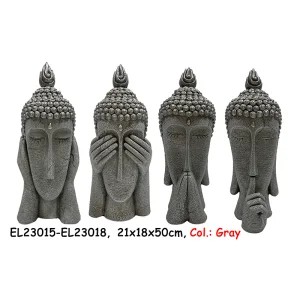
Browse our primary manufacturing showcase of weather-resistant fiber clay decor, precision-molded statues, and outdoor architectural accents built for international wholesale procurement.
In contemporary commercial architecture, luxury hospitality design, and upscale residential landscaping, the integration of spiritual wall art—specifically Buddha Wall Plaques—has evolved from a niche decorative choice into a dominant architectural motif. Global demand for biophilic design elements, zen-inspired tranquil spaces, and tactile surface textures has propelled wall reliefs into high-volume procurement cycles across North America, Europe, Australia, and the Middle East.
Historically carved by hand from solid sandstone, granite, or heavy timber, traditional Buddha wall plaques posed monumental challenges for international trade. High freight weights, extreme structural fragility, susceptibility to moisture rot, and exorbitant labor costs restricted large-scale deployment. Today, the industrial synthesis of modern composite materials—most notably Fiber Clay (MGO / Magnesium Oxide slurry composite reinforced with fiberglass mesh)—has transformed the global supply chain, making China the indisputable manufacturing hub for high-precision, lightweight, weather-resilient wall plaques.
Whether utilized as focal backdrops in wellness spa sanctuaries, luxury resort courtyard features, acoustic-softening restaurant wall reliefs, or residential patio accent panels, Buddha wall plaques bridge the gap between sacred artistry and modern spatial functionality. Enterprise buyers, landscape contractors, and retail chains now require manufacturing partners capable of combining authentic artistic heritage with strict industrial quality control (QC), scalable OEM mold development, and zero-defect international shipping standards.
The superior competitiveness of Chinese factories in Buddha wall plaque production stems from advanced raw material formulation. Understanding the mechanical differences between traditional stone, resin casting, and modern fiber clay composites is critical for B2B procurement managers seeking optimal product lifespans and reduced logistics damages.
| Material Type | Density & Weight | Tensile / Flexural Strength | Thermal & Freeze-Thaw Resistance | Eco-Impact & Recyclability | B2B Cost Efficiency |
|---|---|---|---|---|---|
| Fiber Clay / MGO Composite | Ultra-Lightweight (1.2–1.5 g/cm³) | High (Fiberglass Multi-layer Mesh) | Superior (-30°C to +70°C No Cracking) | Eco-Friendly Mineral Base, Low Carbon | Maximum (Optimized Container Loading) |
| Natural Sandstone / Slate | Extremely Heavy (2.4–2.7 g/cm³) | Brittle along natural vein lines | Prone to water absorption & spalling | High quarrying environmental damage | Low (Exorbitant Freight & Labor Costs) |
| Cast Resin / Polyresin | Medium (1.1–1.3 g/cm³) | Moderate (Prone to snap on impact) | Degrades under UV sunlight / turns brittle | Petrochemical base, synthetic waste | Moderate (High mold costs for large plaques) |
| GFRC (Glass Fiber Concrete) | Heavy-Medium (1.8–2.1 g/cm³) | Very High | Good, but heavy structural loading required | Moderate Cement Carbon Footprint | Moderate-High (Higher raw material cost) |
By blending magnesium chloride, magnesium oxide, and natural inorganic clay minerals reinforced with alkali-resistant glass fiber mats, Chinese factories achieve a wall plaque material that yields stone-like tactile authenticity while eliminating 60%+ of volumetric mass. This structural elasticity prevents hairline fracturing during long-distance maritime transit.
Buddha wall plaques demand artistic aging—ranging from weathered basalt grey and antique copper green to distressed sandstone ochre. Leading factories apply multi-stage reactive acrylic patinas sealed with silane water-repellent topcoats, guaranteeing 100% color fastness and non-peeling durability under harsh outdoor weathering.
China’s dominance in the global craft and architectural decor sector is anchored in integrated industrial clusters—primarily centered in Fujian Province (Xiamen, Quanzhou, Dehua). These manufacturing ecosystems provide unparalleled advantages across raw material sourcing, master sculpting talent, automated slurry mixing, hand-carving refinements, and rapid tooling turnaround.
Traditional manufacturing relies on rigid fiberglass molds that blur subtle facial expressions of Buddha statues (serenity of eyelids, delicate curls of Ushnisha, intricate lotus motifs). Chinese factories utilize high-density liquid silicone master molds capable of capturing 0.1mm micro-textures from original clay sculptures carved by fine arts masters.
Speed-to-market is crucial for global importers. Utilizing 3D digital modeling alongside traditional hand sculptors, China factories can turn a CAD sketch or 2D image of a customized Buddha wall relief into a physical sample within 7 to 10 days, compared to 4-6 weeks in Western studio workshops.
With standardized tunnel curing chambers, temperature-controlled demolding zones, and specialized hand-painting production lines, top-tier factories achieve a monthly capacity exceeding 50,000 wall plaques, guaranteeing strict adherence to retail delivery windows for massive seasonal campaigns.
Wall plaques feature wide surface areas vulnerable to flex stress during ocean freight. Chinese manufacturers engineer custom drop-tested packaging—combining high-density molded EPS foam, corner guards, double-wall corrugated outer cartons, and timber crate palletization to achieve <0.5% breakage rates.
Buddha wall plaques are no longer restricted to traditional Asian garden landscapes. Modern spatial designers utilize these dimensional relief panels across diverse high-value environments:
Installed along quiet reflection corridors, hydrotherapy pools, and treatment room entryways. The textured relief creates dramatic shadow depth under low-angle warm LED grazing lights, instilling instant psychological tranquility.
Mounted on perimeter privacy walls, garden retaining structures, or integrated into outdoor water features. Fiber clay Buddha plaques resist direct rainfall, UV sun exposure, and winter frost cycles without surface degradation.
Serving as acoustic damping art walls in fine-dining Asian fusion restaurants, yoga studio foyers, and boutique hotel lobbies. Large multi-panel Buddha wall relief sets create bold aesthetic brand identities.
The global wall decor market is undergoing rapid innovation. Forward-thinking Chinese factories are staying ahead of global buyer demands by integrating emerging design and material technologies into their production lines:
Combining solar power technology with wall plaques. Built-in micro solar panels charge lithium batteries during the day, illuminating warm perimeter halo lighting or embedded lotus LED accents automatically at dusk without external electrical wiring.
Replacing traditional solvent-based sealing coats with water-borne bio-resins and non-toxic natural mineral pigments. This complies fully with California Proposition 65, EU REACH standards, and international indoor air quality certifications.
Creating oversized 3-piece (Triptych) or 4-piece interlocking Buddha wall plaque assemblies that allow buyers to cover massive 3-meter architectural walls while collapsing shipping volumes into standard UPS/FedEx parcel shipping dimensions.
Essential answers for commercial buyers, importers, landscape architects, and procurement managers sourcing Buddha wall plaques and garden statues from China.
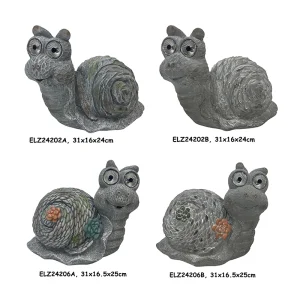
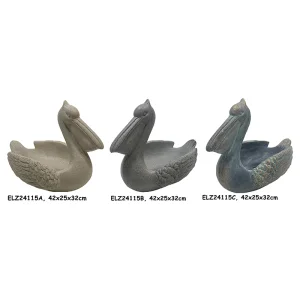
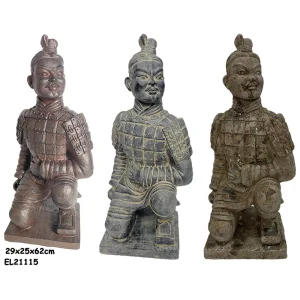
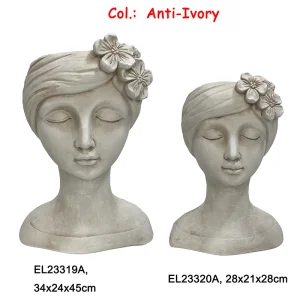
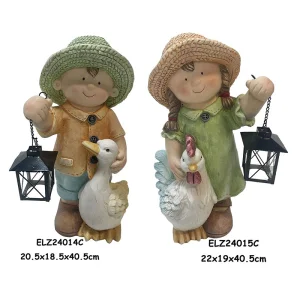
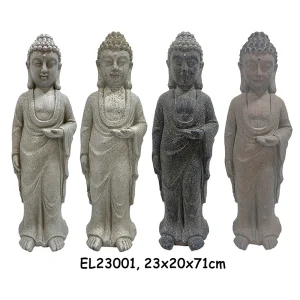
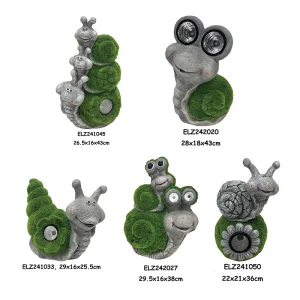
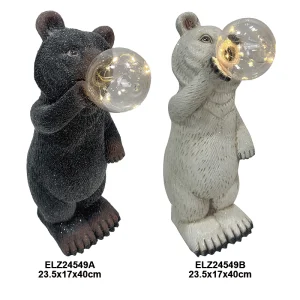
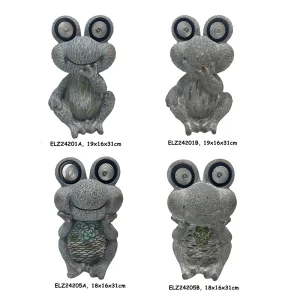
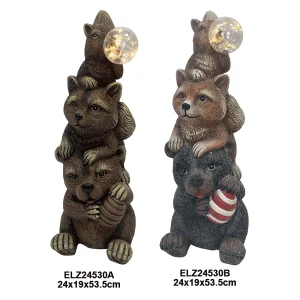
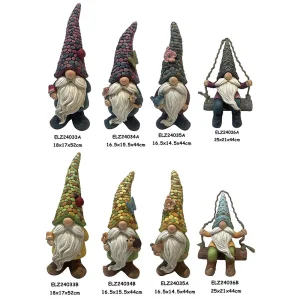
Explore additional handcrafted fiber clay, garden statue, and architectural planter offerings available for OEM custom branding and bulk global export.
Navigating the global sourcing landscape for architectural Buddha wall plaques demands a balance of artistic heritage, material integrity, and industrial efficiency. By partnering directly with tier-1 Chinese factories, international buyers gain access to cutting-edge Fiber Clay (MGO) material science, competitive OEM manufacturing, and rigorous ISTA-tested export packaging. Elevate your product catalog and architectural projects with certified quality manufactured at scale.