Engineered for commercial resilience, weatherproofing, and aesthetic elegance across global wholesale markets.
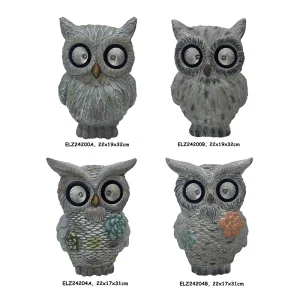
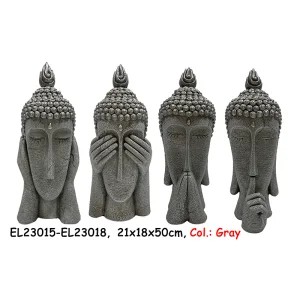
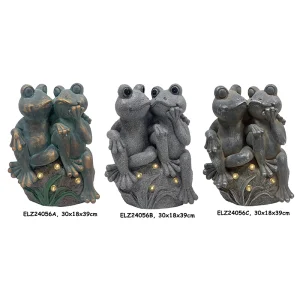
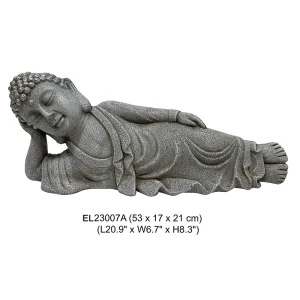
How advanced MGO (Magnesium Oxide) ceramics, Fiber Clay composites, and precision hand-crafting are reshaping global seasonal retail margins.
Global importers are transitioning away from low-margin injection-molded PVC towards high-density MGO (Magnesium Oxide) and Fiber Clay. These materials deliver authentic stone textures, flame-retardant safety ratings, and structural heft critical for premium retail placement.
Commercial Halloween displays demand extreme weatherability. Chinese manufacturing hubs now incorporate cross-linked poly-resin binders, UV-inhibiting glazes, and fiber-reinforced matrices designed to survive sub-zero freeze-thaw cycles down to -20°C.
To extend the retail sell-through window from September to late November, OEM design trends favor transitional thematic sculptures—combining rustic harvest motifs, solar lighting components, and subtle gothic elements for maximum shelf lifecycle.
A rigorous engineering evaluation comparing traditional seasonal decor materials against advanced Chinese factory composite formulations.
| Material Metric | Fiber Clay / MGO Composite | Traditional Polyresin | Standard Terra Cotta | Blow-Molded Plastic |
|---|---|---|---|---|
| Structural Density | 1.4 – 1.8 g/cm³ | 1.1 – 1.3 g/cm³ | 1.8 – 2.1 g/cm³ | 0.9 – 0.95 g/cm³ |
| Impact Resistance | High (Fiber Mesh Reinforced) | Moderate (Brittle on drop) | Very Low (Fragile) | High (Flexes, loses shape) |
| Fire Safety Rating | Class A1 Non-combustible | Combustible (UL94 HB) | Non-combustible | Highly Combustible |
| Freight Weight Efficiency | Optimal (40% lighter than clay) | Moderate | Heavy (High freight cost) | Ultra-light (High volume penalty) |
| Aesthetic Realism | Authentic Stone / Antique Finish | High Detail / Synthetic feel | Earthy / Limited detail | Low / Visible mold seams |
| Environmental Footprint | Low Carbon Sorel Cement Base | Petroleum Synthetic | High-Kiln Energy Consumption | Non-biodegradable Polymer |
How Fujian and Guangdong craft clusters integrate digital prototyping, automated kiln control, and hand-finished artistry for global B2B procurement.
Modern Chinese factories utilize 3D scanning and CNC master mold carving, reducing sample turnaround times from 30 days down to 7 days. This allows enterprise buyers to capture emerging Halloween viral trends, gothic sculptural aesthetics, and custom character IP ahead of seasonal deadlines.
By clustering material suppliers (magnesium chloride, fiberglass roving, pigments, and solar electronic modules) within an 80km radius in Xiamen and regional centers, export factories eliminate logistics bottlenecks, offering competitive FOB prices while maintaining strict BSCI and ISO compliance.
High-value commercial ornaments require multi-tier packaging protection. Manufacturing partners implement drop-tested molded EPS foam, double-wall ISTA-3A corrugated outer cartons, and moisture-absorbing desiccant systems to guarantee zero breakages during trans-oceanic container shipping.
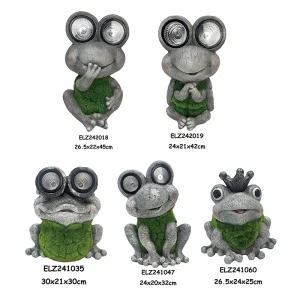
Elevating classic statuary into interactive decorations, Chinese suppliers seamlessly embed waterproof LED arrays, dusk-to-dawn solar sensors, and sound-activated motion chips directly into Fiber Clay matrices without compromising aesthetic integrity.
Exploring how global buyers deploy premium Chinese manufactured ornaments across diverse commercial, residential, and municipal environments.
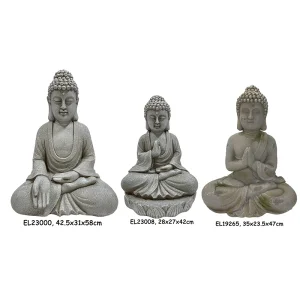
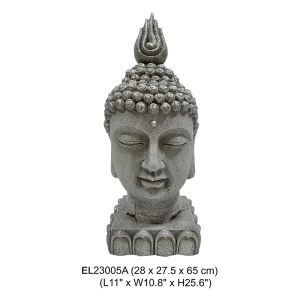
Large-scale oversized Buddha figures, skeletal statues, and rustic planters serve as focal photo-opportunity backdrops in shopping malls and lifestyle centers, driving foot traffic and social media engagement during the autumn promotional period.
Amusement parks require rugged, impact-resistant sculptures capable of enduring high public interaction. Fiber clay’s stone-like rigidity combined with flame-retardant properties satisfies stringent commercial safety regulations.
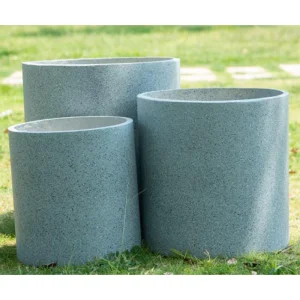
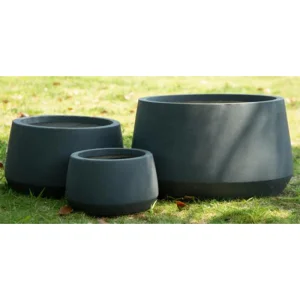
High-end hotels utilize understated, elegant autumnal decor—such as muted flocking, artisan animal figures, and hand-patinated stone-look planters—to create upscale seasonal ambiance across entry foyers and outdoor terraces.
Full factory range supporting custom OEM specifications, colorways, and wholesale master-carton allocations.
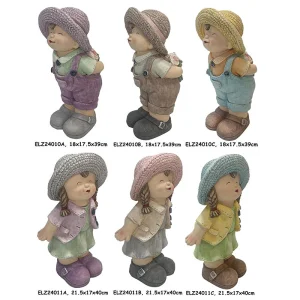
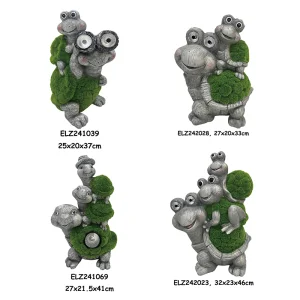
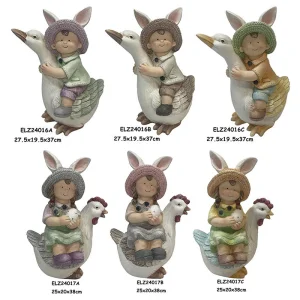
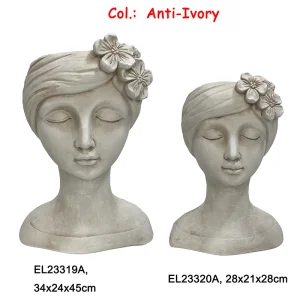
Expert technical insights regarding factory audits, compliance certifications, tooling timelines, and bulk freight execution.
Fiber Clay, formulated primarily from Magnesium Oxide (MGO) and bonded with synthetic fibreglass mesh, provides superior flame retardancy (Class A1 rating), significant structural weight reduction (up to 40% lighter than solid ceramic or concrete), and high thermal tolerance (-20°C to +50°C). Unlike pure polyresin, it yields a natural, premium stone-like tactile finish while drastically reducing ocean freight costs per unit due to reduced tare weight.
Reputable manufacturers execute strict Non-Disclosure Agreements (NDAs) prior to receiving 3D CAD files or reference artwork. Prototype creation involves 3D printing or clay master modeling within isolated R&D labs. Production molds are proprietary to the client and stored in secured facilities. Lead times for custom sculpt approvals typically range from 7 to 14 business days.
Factory Quality Management Systems comply with AQL 2.5/4.0 standards. Units undergo rigorous inspection cycles: 1) Raw material purity verification for MGO slurries, 2) Moisture level checks post-curing, 3) 24-hour water immersion testing for paint adhesion, and 4) ISTA-1A/3A package drop-tests (10 drops from specified heights on corners, edges, and faces) to ensure survival during multi-modal transit.
The ideal sourcing cycle begins in Q4 of the preceding year (November–December) with sample finalization. Mass production cycles typically require 45 to 60 days post-sample approval. For North American and European importers, orders should ideally depart Chinese ports (such as Xiamen or Ningbo) by late May to early July to guarantee delivery to regional distribution centers before September retail floor rollouts.
Yes. Integrated electronic components comply with target market standards, including CE, RoHS, UKCA, and FCC directives. Outdoor solar modules feature IP65 waterproof rated encasements, lithium-ion rechargeable battery packs with overcharge protection, and sealed silicone gaskets preventing water ingress during heavy seasonal rainfall.