Engineered for extreme freeze-thaw resilience, aesthetic depth, and high structural integrity. Explored by tier-1 global importers and lawn & garden commercial buyers.
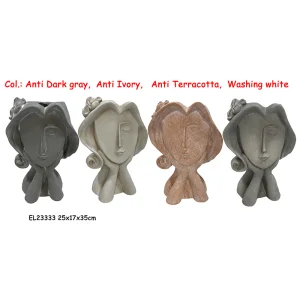
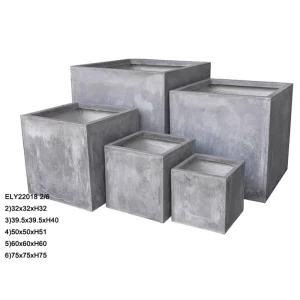
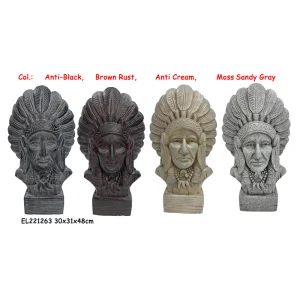
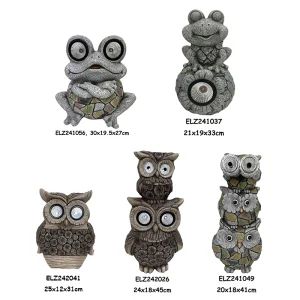
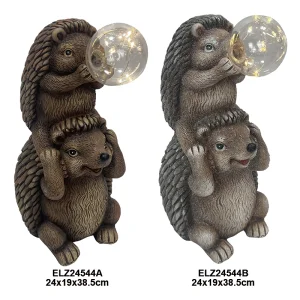
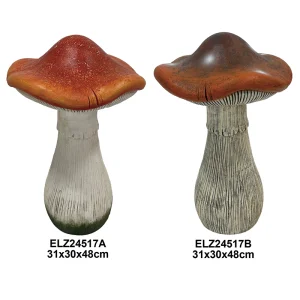
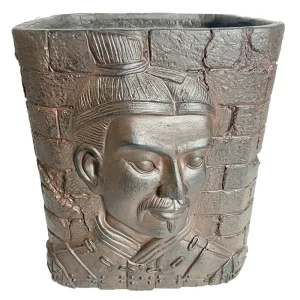
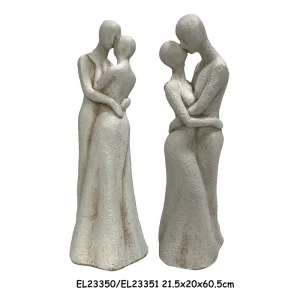
The global seasonal home and garden ornamentation market has undergone a dramatic structural evolution over the past five years. Driven by rising consumer expenditure on experiential outdoor living spaces and seasonal festive decor in North America, Western Europe, and Australasia, demand for high-durability, artistically sophisticated autumn decor—specifically Harvest Festival Pumpkin Sculptures—has surged significantly. Enterprise buyers, mass-market retail chains, garden center buying groups, and commercial landscape architects no longer accept temporary, fragile hollow plastic or easily cracked earthenware ceramics. Instead, modern commercial procurement mandates high structural longevity, authentic artisanal texturing, and extreme frost resilience.
In this expanding B2B ecosystem, China has consolidated its standing as the world's premiere manufacturing ecosystem for specialized garden statues and structural harvest decor. Utilizing advanced composite materials such as Magnesium Oxide (MGO) fiber clay, Chinese manufacturers bridge the gap between traditional clay artistry and modern industrial material science. The synthesis of light-weight magnesium silicate matrixes with alkali-resistant fiberglass netting has allowed factories to produce massive, high-impact pumpkin sculptures, animal-themed garden figures, and architectural planters that lower international sea-freight freight costs while mitigating breakages in logistics transit.
Key Enterprise Insight: Transitioning from classic terracotta or basic resin to advanced Fiber Clay (MGO) reduces volumetric shipping weight by 35–45% while doubling tensile resistance against freeze-thaw spalling during northern hemisphere winter transitions.
To appreciate why premier global brands select China-manufactured pumpkin sculptures and garden statues, enterprise procurement officers must evaluate the chemical composition and mechanical advantages of Fiber Clay (MGO) over traditional media. Raw ceramic clay requires ultra-high temperature kiln firing, which incurs massive energy costs, tight dimensional shrinkages, and vulnerability to thermal shock. Conversely, standard polyresin relies heavily on petroleum-based polymers, which degrade under prolonged solar UV radiation and fail environmental sustainability audits.
Combines high-purity magnesium oxide with magnesium chloride or sulfate slurries to form a hard, fireproof cementitious lattice that cures at low temperatures without kiln warping.
Embedded multi-layer alkali-resistant fiberglass netting imparts exceptional flexural strength, neutralizing structural stress points across complex pumpkin ridges and figurine limbs.
Multi-coat hand-applied hydrophobic sealants engineered with UV-absorbers prevent paint flaking, color fading, or micro-cracking caused by heavy downpours or sun exposure.
| Performance Metric | MGO Fiber Clay (Elandgo Standard) | Traditional Terracotta / Clay | Unreinforced Polyresin | Hollow Plastic (Rotomolded) |
|---|---|---|---|---|
| Freeze-Thaw Spalling Resistance | High (-30°C to +60°C Verified) | Poor (Prone to Water Absorption & Cracking) | Moderate (Becomes Brittle in Sub-Zero) | High (But Lacks Aesthetic Weight) |
| Weight-to-Volume Efficiency | Optimized Lightweight (Easy Handling) | Extremely Heavy (High Freight Costs) | Moderate Heavy | Ultra-Light (Prone to Wind Toppling) |
| Eco-Footprint & Circularity | Low Energy Curing / Inorganic Cement | Extremely High Energy Kiln Firing | Petroleum Heavy / Non-Recyclable | Polymer Dependent |
| Artisanal Texturing & Detail | Superior Mold Fidelity + Hand Finishes | Good Detail / Shrinkage Risk | High Detail Detail / Low Tactility | Low Aesthetic Realism (Glossy/Plastic) |
B2B buyers, volume distributors, and corporate procurement directors face intricate hurdles when sourcing seasonal harvest decor. Seasonal product windows leave zero margin for error: orders for the autumn Harvest Festival and Halloween season must land at regional distribution centers (DCs) precisely between July and August. Production delays, freight damages, or non-compliance with regional chemical standards can invalidate an entire retail season.
Integrated manufacturing schedules backed by robust raw material buffer inventories allow us to commit to 45–60 day production cycles, ensuring on-time FCL container loading at Xiamen Port.
Custom-engineered molded EPS foam, double-wall corrugated outer cartons, and corner protectors rigorously audited against ISTA-1A and ISTA-3A drop standards eliminate ecommerce fulfillment breakage.
All raw materials and paints undergo laboratory testing to guarantee compliance with REACH (EU), California Proposition 65 (US), Heavy Metal free regulations, and BSCI social compliance audits.
Custom OEM/ODM Prototyping Roadmap: From 3D CAD rendering or initial hand sketches to physical clay modeling, silicone master mold creation, sample painting, and mass production in under 30 working days.
Operating out of Fujian’s prime craft manufacturing hub, our export-focused enterprise applies strict multi-tier quality inspection checkpoints across every stage of the sculpture manufacturing lifecycle:
We provide complete support for enterprise buyers including custom inner box packaging, private labeling, master container optimization algorithms to maximize cubic meter usage, and DDP/FOB delivery terms across major North American, European, and Asia-Pacific ocean corridors.
As the lawn and garden decor segment converges with modern smart home ecosystems, the next decade of Harvest Festival sculpture design will incorporate smart functional elements and bio-based binding chemistry. Our R&D division in Xiamen is driving key initiatives that define the industry’s trajectory:
Seamless integration of IP65 waterproof monocrystalline solar cells, warm micro-LED illumination, and internal battery packs directly into hollow fiber clay pumpkin carvings and critters.
Developing next-generation zero-carbon inorganic binders incorporating agricultural waste fibers (such as bamboo fiber and rice hull ash) into the traditional MGO fiber clay composite.
Engineering nesting pumpkin tower designs that maximize pallet pack density, reducing ocean container freight expenses by up to 30% per volumetric SKU unit.
Discover versatile fiber clay, solar-accented, and seasonal figurines crafted to round out full retail seasonal displays.
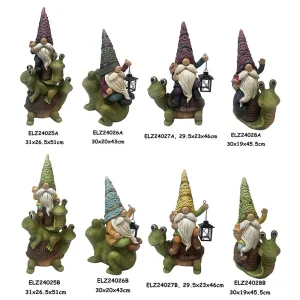
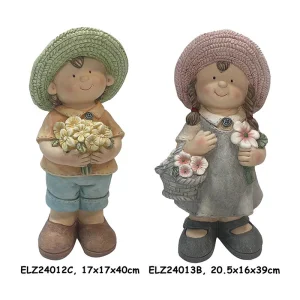
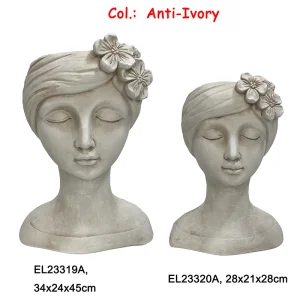
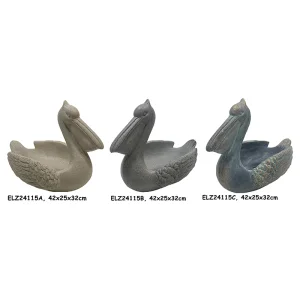
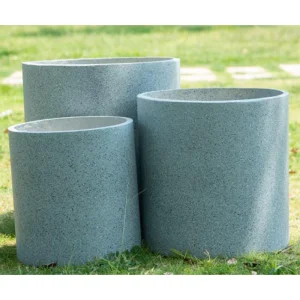
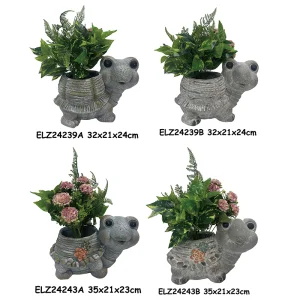
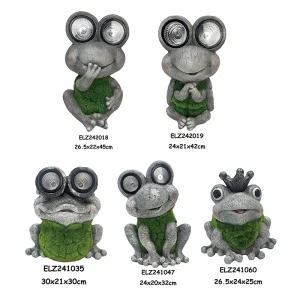
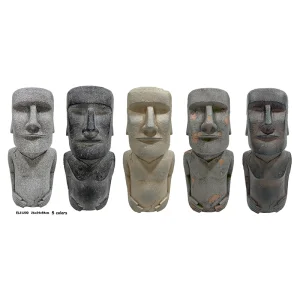
Fiber Clay (MGO) is an inorganic composite consisting of magnesium oxide slurry and multi-layer alkali-resistant fiberglass netting. Unlike ceramics, it requires no high-heat firing, eliminating dimensional thermal shrinkage and making it highly frost resistant down to -30°C. Compared to resin, it provides an authentic stone/terracotta aesthetic feel at a significantly lower material weight, while standing up to UV degradation without yellowing or cracking.
Standard production MOQs typically range from 100 to 300 pieces per SKU depending on physical item dimensions. For custom OEM/ODM sculpt designs, initial 3D design and clay prototype approval takes 10 to 15 days, master mold fabrication takes 15 days, and mass container production runs require 45 to 60 days from deposit receipt. Emergency re-orders can be expedited through active factory buffer stock allocations.
Every decor piece undergoes custom package engineering. Products are encased in high-density drop-molded EPS (Expanded Polystyrene) foam clam-shells tailored to the sculpture's exact contours and packed into 5-ply double-wall corrugated shipping boxes. Packaging designs pass rigorous ISTA-1A and ISTA-3A 10-point drop testing before volume packing runs begin.
Yes. All integrated solar panels, internal LED modules, and rechargeable lithium-ion battery assemblies meet CE, UKCA, RoHS, and FCC compliance guidelines. Modules carry minimum IP65 ingress protection ratings against heavy rain and moisture penetration.
Our production facilities undergo annual BSCI, SEDEX, and ISO 9001 quality audits. All paint and surface treatments undergo independent testing (SGS, TUV, Intertek) to verify zero lead content, heavy metal compliance, REACH SVHC compliance for European markets, and California Proposition 65 clearance for the USA.