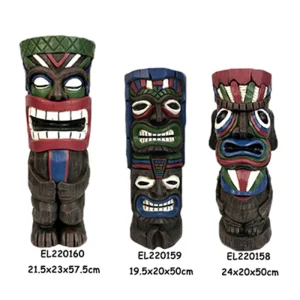
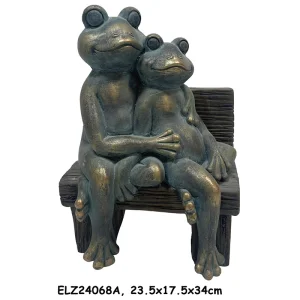
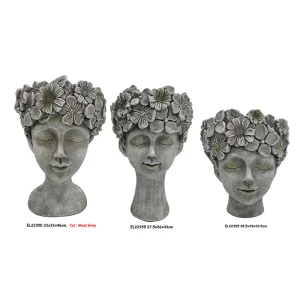
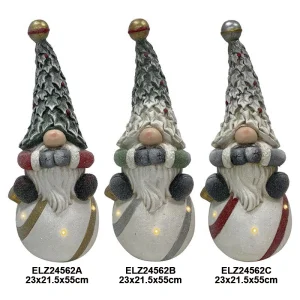
Engineered for extreme freeze-thaw durability, ultra-lightweight installation, and high-fidelity structural aesthetics.
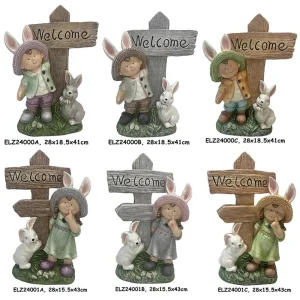
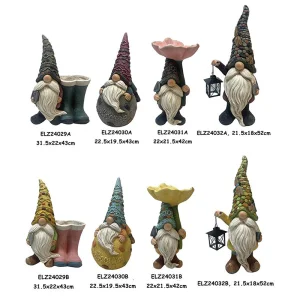
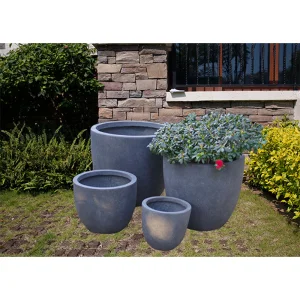
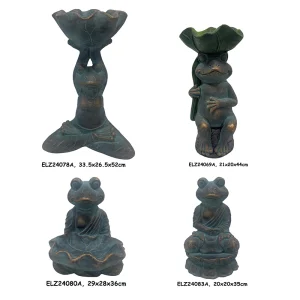
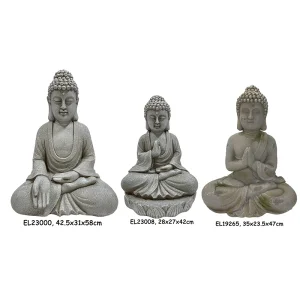
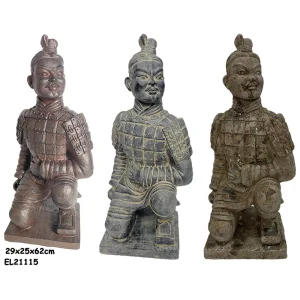
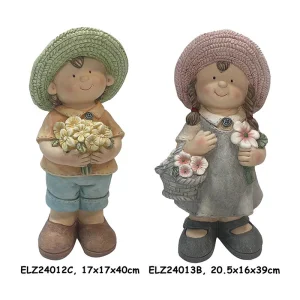
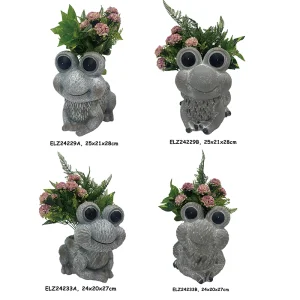
In the global commercial landscape of architectural pottery, heavy-duty landscape planters, and festive ornamental statuary, traditional terracotta and high-fired ceramics are facing unprecedented cost and operational headwinds. High logistical breakage rates, excessive tare weights that inflame ocean container freight charges, and energy-intensive kiln firing processes have driven commercial importers, OEM brands, and municipal purchasing entities to seek advanced composite alternatives.
Enter Reindeer Clay—an industry-leading, fiber-reinforced Magnesium Oxide (MGO) and inorganic silicate clay matrix engineered to resolve the structural frailties of legacy materials. Known commercially for its unmatched strength-to-weight ratio, zero-sintering ambient curing cycle, and supreme frost-thaw resilience, Reindeer Clay represents a pivotal technological leap in decorative and architectural craft manufacturing.
Unlike standard terra cotta, which relies on thermal vitrification at 1,100°C–1,300°C, high-quality Reindeer Clay utilizes an inorganic exothermic slurry bonding process strengthened by multi-directional alkali-resistant glass fiber netting (AR-fiberglass). This forms an interlocked micro-crystalline lattice capable of absorbing tensile stress and thermal expansion without structural micro-cracking.
The global demand for high-tier garden pottery, holiday-themed oversized statuary (such as festive reindeer, gnomes, and architectural planters), and outdoor commercial decor has shifted rapidly toward high-durability composites. The global market size for lightweight fiber clay and MGO garden decor is projected to maintain a CAGR of 6.8% through 2030, with North America and Europe accounting for over 65% of total import volumes.
Major big-box garden centers and commercial landscape developers prioritize Reindeer Clay due to its strict compliance with ASTM freeze-thaw standards and drastically reduced drop-shipping damage metrics.
With stringent EU carbon boundary adjustment mechanisms (CBAM), importers are turning away from heavy fossil-fuel-fired ceramic kilns toward low-carbon room-cured inorganic silicate clay matrices.
Reindeer clay allows up to 40% more units per 40ft High-Cube container compared to standard stone or solid concrete, providing enterprise buyers with huge ocean freight savings per unit.
| Physical Property / Metric | Reindeer Clay (MGO Fiber Matrix) | Traditional Fired Terracotta | Cast Concrete / Fibreglass |
|---|---|---|---|
| Density & Weight Ratio | 1.1 – 1.4 g/cm³ (Ultra-Light) | 2.1 – 2.4 g/cm³ (Heavy) | 2.3 – 2.6 g/cm³ (Very Heavy) |
| Flexural Strength (MPa) | 18 – 25 MPa | 6 – 10 MPa | 12 – 15 MPa |
| Freeze-Thaw Limit (-40°C) | No cracking (Passes 150+ cycles) | High risk of spalling/flaking | Moderate hairline cracking risk |
| Carbon Footprint | Low (Cold hydration curing) | Extremely High (1200°C Kiln) | High (Portland cement process) |
| Surface Paint Adhesion | Superior (Porous molecular bond) | Medium (Requires heavy priming) | Requires hazardous chemical etching |
The manufacturing ecosystem for Reindeer Clay products is undergoing a structural transition toward intelligent automation, closed-loop raw material recycling, and non-toxic surface treatments. Leading manufacturers like Elandgo Crafts are pioneering three core industrial trends:
Traditional ceramic kilns burn immense quantities of natural gas or coal, releasing significant CO₂. Reindeer clay formulations utilize an exothermic hydration reaction between active magnesium oxide (MgO) and magnesium chloride/sulfate (MgCl₂ / MgSO₄) solutions. The material hardens naturally under controlled temperature and humidity rooms (25°C–35°C, 70% RH), cutting factory carbon emissions by over 80%.
Instead of relying on single-layer chopped fibers, premium Reindeer Clay production integrates continuous woven AR-glass fiber meshes within critical stress points (such as planter bases, reindeer antler joints, and standing statue pediments). This multi-directional reinforcement prevents structural failure under high-wind load or physical impact during transit.
To ensure vibrant hand-painted details (from rustic terra cotta glazes to festive metallic paint finish) withstand outdoor weathering without fading or chalking, manufacturers apply water-based silane-acrylic sealer coats. These hydrophobic nano-sealants penetrate deep into the inorganic clay matrix, creating a breathably waterproof barrier that repels rain while allowing moisture vapor to escape.
As B2B buyers mandate higher quality standards, faster design turnarounds, and complete customizability, the technological roadmap for Reindeer Clay manufacturing centers around three core evolutionary phases:
Integrating micro-graphene nanoplatelets into the inorganic magnesium matrix to increase flexural strength by an additional 35%, allowing wall thickness reductions to 6mm without losing structural integrity.
Transitioning from manual clay sculpting to 5-axis robotic carving and high-density silicone molding. Reduces OEM product development cycles from 30 days down to just 5 working days.
Incorporating micro-encapsulated siloxane agents within the slurry that automatically seal hair-line surface abrasions when exposed to moisture and sunshine, ensuring a 25-year maintenance-free lifespan.
The versatile material characteristics of Reindeer Clay allow it to perform impeccably across diverse geographical microclimates and commercial environments:
Traditional terracotta planters routinely crack in freeze-thaw cycles because absorbed water expands when turning to ice. Reindeer Clay's micro-porous structure combined with hydrophobic silane sealing accommodates ice expansion without stress cracking, surviving temperatures as low as -40°C.
In coastal hotel installations or beachfront commercial developments, salt-fog air degrades metal and standard concrete. Reindeer Clay is completely non-corrosive, inert to salt spray, and resistant to efflorescence (white salt staining), making it ideal for tropical resorts and seaside plazas.
Due to structural weight restrictions on high-rise urban building roofs, heavy stone planters often require structural engineering permits. Lightweight Reindeer Clay pots reduce floor load by over 60%, allowing lush rooftop gardens and restaurant patios to install massive planters effortlessly.
For global importers, brand owners, and retail chain buyers, sourcing from a vetted manufacturer involves stringent quality assurance steps. A professional Reindeer Clay manufacturer provides an end-to-end service workflow:
Transformation of 2D concept sketches into 3D CAD models, ensuring precise volume, wall thickness, and weight distribution calculation prior to physical molding.
Crafting high-precision master molds to capture intricate textures—from rustic stone, wood-grain finishes, to delicate reindeer anatomical features.
Layering AR-fiberglass mesh while pouring slurry into molds, followed by 72-hour controlled climate curing for optimal structural crystallization.
Skilled artisans apply multi-toned acrylic washes, metallic patinas, or stone effect textures, sealed with weather-resistant anti-UV coatings.
Custom ISTA-tested mail-order honeycomb boxing or drop-test compliant master cartons to eliminate shipping breakages completely for e-commerce clients.
Algorithmic pallet nesting and container loading plans ensure maximum volumetric efficiency, reducing ocean freight costs per unit.
Detailed technical answers for enterprise procurement managers, distributors, and commercial landscapers.
Reindeer Clay is an optimized sub-class of fiber clay that utilizes a high-purity inorganic Magnesium Oxide (MgO) and Magnesium Chloride/Sulfate binder matrix, blended with natural clay minerals, quartz powder, and high-tensile alkali-resistant fiberglass netting (AR-fiberglass). Unlike standard GRC (Glassfiber Reinforced Concrete), which uses heavy Portland cement, Reindeer Clay is up to 40% lighter, cures at room temperature without energy-intensive kilns, and offers much higher detail retention for intricate statuary and relief planters.
Yes. Reindeer Clay has an extremely low coefficient of thermal expansion and engineered micro-porosity. When sealed with high-grade silane-acrylic coatings, water absorption is kept under 3-5%. Standard factory tests demonstrate resistance to over 150 continuous freeze-thaw cycles ranging from -40°C to +60°C without flaking, delamination, or structural fracturing.
For standard catalog items, typical factory MOQs start at 50–100 pieces per SKU. For custom OEM/ODM designs requiring proprietary master molds, the initial sampling takes 10 to 14 days, with full mass production completed within 35 to 45 days upon sample approval and deposit confirmation.
Reindeer Clay products are approximately 60% to 70% lighter than solid concrete or natural cast stone, and around 40% lighter than high-fired clay pottery. This significant reduction allows end customers to move large garden statues or rooftop planters easily, while lowering international container shipping costs dramatically.
Absolutely. Because Reindeer Clay cures naturally via exothermic hydration at room temperatures rather than being fired in high-temperature fossil-fuel kilns, production carbon emissions are cut by up to 80%. Additionally, the ingredients are non-toxic, free of hazardous heavy metals, and fully compliant with EU REACH, California Prop 65, and RoHS standards.
We utilize high-grade, outdoor UV-stabilized acrylic paints formulated specifically for inorganic silicate substrates. Following hand-painting, products undergo a dual-stage sealing process using cross-linking silane-siloxane transparent sealants. This prevents UV breakdown, moisture blistering, and color fading even under harsh solar exposure.
All planter SKUs come with pre-drilled central drainage holes and removable rubber stoppers by default. For indoor decorative items or statuary where water tightness is required, base sealing can be customized per customer specification.
We offer specialized e-commerce mail-order packaging that passes ISTA-3A / 6-FEDEX drop tests. This includes molded expanded polyethylene (EPE) or polyfoam shells, reinforced 5-ply corrugated outer boxes, and corner edge protectors to ensure zero breakage rates during courier transit.
Yes, our engineering team routinely integrates IP68 waterproof low-voltage LED lights, solar panels, and water circulation pumps into seasonal statues (such as solar-lit gnomes, festive reindeer figures, and tiered water fountains). Internal wire conduits are molded directly into the structure.
With over 14 years of dedicated export experience, an in-house R&D laboratory, and a 15,000 m² state-of-the-art production facility in Xiamen, China, Elandgo Crafts delivers strict ISO9001 quality control, direct factory pricing, and comprehensive B2B OEM support trusted by top global retailers across 30+ countries.
Explore our full line of weather-resistant MGO fiber clay statuary, seasonal figurines, and designer planters.