Explore our export-ready collections designed for high-volume commercial, garden center, and hospitality procurement.
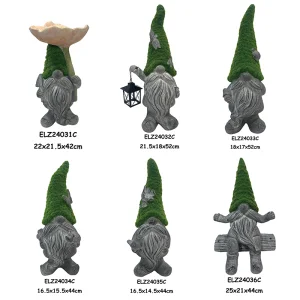
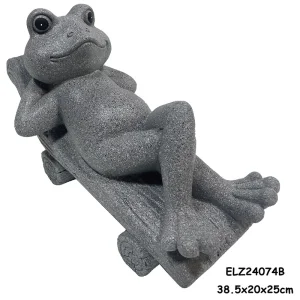
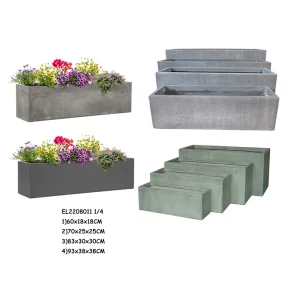
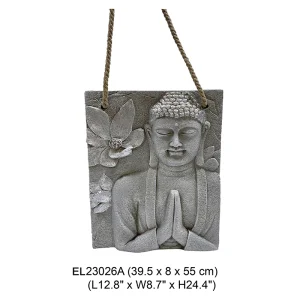
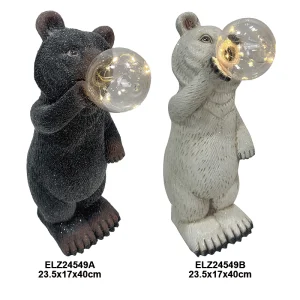
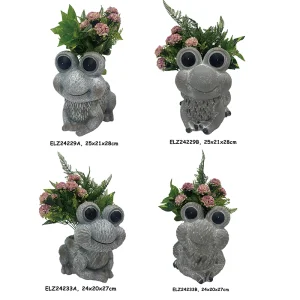
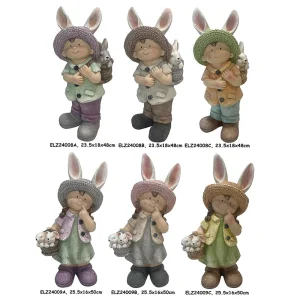
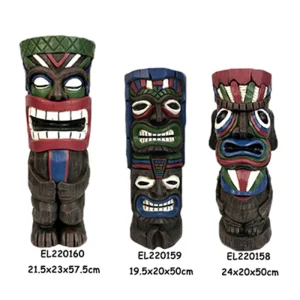
In the contemporary architecture, landscape design, and high-end outdoor living sectors, the demand for authentic, rustic-aesthetic architectural elements—specifically rusty pits, fire bowls, oxidized planters, and weathered outdoor fixtures—has experienced exponential growth. Historically limited to heavy Corten steel fabrication, modern manufacturing has evolved. Global procurement directors, wholesale buyers, and outdoor living distributors are increasingly shifting toward advanced material composites such as Fiber Clay (Magnesium Oxide / MGO matrix reinforced with fiberglass mesh) engineered with high-definition, hand-distressed iron oxide rust patinas.
This structural shift is driven by severe logistics costs, weight restrictions in multi-story urban installations, and the need for zero-staining, thermal-shock-resistant products that deliver the warm visual texture of aged rust without the heavy corrosion runoff associated with natural raw metals.
Traditional Corten steel rust pits suffer from leaching iron oxide runoff that ruins expensive porcelain tiles, composite decking, and concrete paving during initial oxidation phases. Engineered Fiber Clay rusty pits eliminate runoff staining completely while reducing ocean freight shipping volume weight by up to 60%, significantly maximizing 40ft High Cube container payload efficiency.
Comprehensive performance metrics evaluated under real-world weather conditions and commercial hospitality usages.
| Performance Specification | Advanced Fiber Clay / MGO Rusty Pit | Raw Corten Steel Pit | Cast Iron / Heavy Carbon Steel |
|---|---|---|---|
| Structural Material Base | Magnesium Oxide (MgO) + Fiber Mesh + Inorganic Salts | Weathering Alloy Steel (A242 / A588) | Heavy Grey Cast Iron |
| Specific Weight Density | Lightweight (~1.3 - 1.6 g/cm³) | Heavy (~7.85 g/cm³) | Very Heavy (~7.2 g/cm³) |
| Substrate Staining & Runoff | Zero leaching; clear acrylic oxide seal coating | High runoff staining on deck/patio during initial 18 mos. | Heavy black/brown rust water flaking |
| Thermal Shock Resistance | High (Tolerates structural expansion up to 800°C) | High expansion/warping over repeated fires | Prone to cracking under sudden temperature drops |
| Corrosion Resistance in Coastal Air | Immune to salt-spray oxidation and marine pitting | Slow oxidation; requires specific microclimate | Rapid flaking corrosion, structural failure |
| OEM Design Flexibility | High (Molded intricate curves, 3D textures, relief artwork) | Moderate (Requires laser cutting, bending, welding) | Low (Requires expensive heavy metal tooling) |
| Freight Container Utilization | Optimized payload per 40'HQ (Maximized CBM limit) | Reaches weight limits long before volume capacity | Reaches weight limits rapidly (High shipping costs) |
Why Tier-1 global importers choose Xiamen/Fujian direct manufacturing clusters for high-volume rusty pit and pottery sourcing.
Located in the heart of Fujian’s advanced craft and ceramic industrial zone, our production hub leverages immediate access to high-purity magnesium mineral deposits, high-tensile alkali-resistant fiberglass, and eco-friendly pigment suppliers, driving unit costs down by 25-30%.
Every piece of rusty pit or garden statue undergoes rigorous batch testing: raw slurry viscosity verification, structural load flexural tests, thermal cycle endurance, and 48-hour moisture immersion to prevent post-export cracking or surface spalling.
Unlike automated spray lines that produce unnatural uniform brown colors, our veteran craftsmen apply multi-layered oxide washes by hand. This creates authentic, rich color gradients mimicking centuries of natural atmospheric weathering.
We utilize custom 5-ply reinforced corrugated master cartons, internal ISTA-certified drop-test foam structures, and wooden palletization engineered for aggressive intermodal transport, protecting your margins against freight breakage.
From CAD architectural drawings or 3D renders, our in-house mold tooling studio turns around custom product prototypes in as few as 10 to 14 days, enabling agile product launch schedules for seasonal catalog deadlines.
With thousands of square meters of production space and multi-line curing chambers, our facilities maintain scalable production throughput, keeping peak-season delivery leads under 35-45 days for full container loads.
How global buyers deploy fiber clay rusty pits and architectural crafts across commercial, hospitality, and residential projects.
Hotels and beach resorts require outdoor ambient fire features and focal planters that withstand heavy guest interaction and high humidity. Fiber clay rusty pits provide an industrial chic ambiance without introducing safety hazards like sharp rusting steel edges or deck discoloration. Their non-combustible material properties make them ideal for open-air seating areas, poolside cabanas, and outdoor bar lounges.
Weight limits are the primary constraint for rooftop landscape developments. Heavy metal fire pits and stone vessels often exceed structural floor load allowances once filled with lava rocks and burner assemblies. Lightweight Fiber Clay rusty pits solve this structural challenge, offering identical visual weight and warmth at a fraction of the structural dead-load impact.
Large-scale public venues demand durable outdoor elements capable of resisting freeze-thaw cycles in northern climates. Rain, snow, and extreme sun exposure cause ordinary paints to peel. Our oxidized rusty pits feature inorganic earth pigments bonded directly into the MGO cement matrix, ensuring UV stability and long-term color integrity across all seasons.
For consumer retail buyers, packaging volume, pallet optimization, and low return rates drive profitability. Fiber clay rusty pits and companion garden statues offer high perceived consumer value, eye-catching retail floor display aesthetics, and robust packaging designs that minimize transit damages and customer returns.
The global outdoor living market is rapidly pivoting toward biophilic design—integrating organic, natural textures, earthy colors, and weathered patinas into built environments. Modern consumers and commercial designers favor items that feel grounded, historical, and connected to natural geological processes. The "Rusty Pit" aesthetic perfectly embodies this trend, providing visual contrast when paired with lush green foliage, crisp concrete masonry, or natural wooden decking.
Furthermore, sustainability standards in Western markets (EU Green Deal, US ESG procurement guidelines) require manufacturers to lower carbon emissions across the production chain. Traditional high-heat metal smelting and heavy alloy casting demand immense thermal energy. In contrast, magnesium oxide (MgO) fiber clay composite technology utilizes low-temperature exothermic curing, drastically reducing manufacturing carbon footprints, volatile organic compound (VOC) emissions, and overall environmental impact during production.
Expert insights addressing technical, logistics, and manufacturing inquiries from commercial buyers.
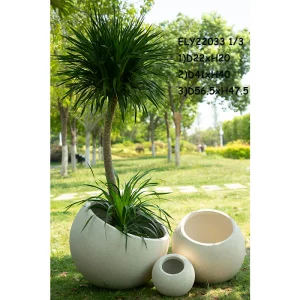
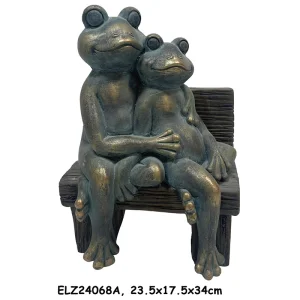
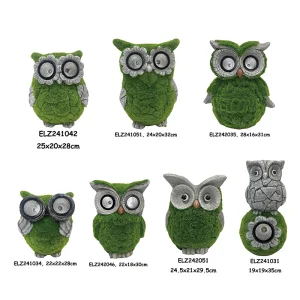
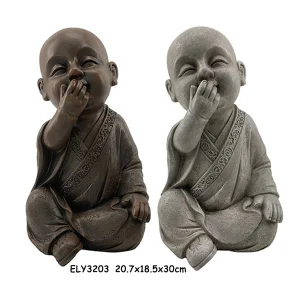
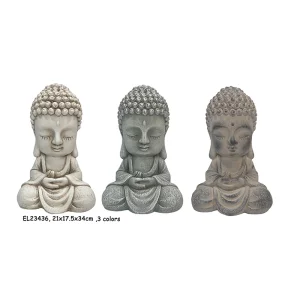
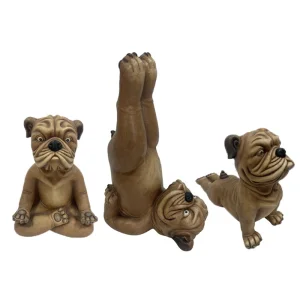
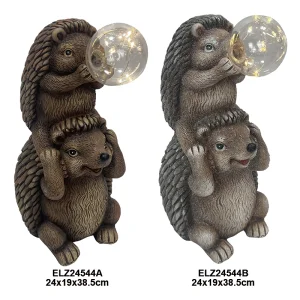
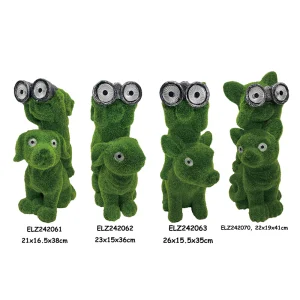
Extend your retail product line with our best-selling artisan pottery, garden statues, and decorative planters.