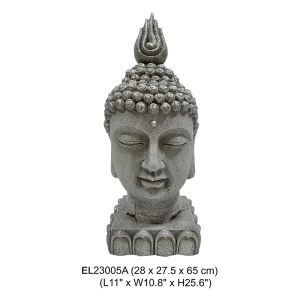
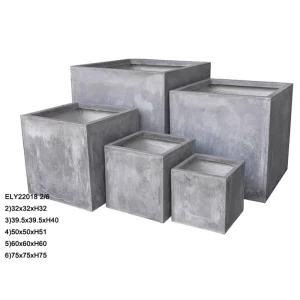
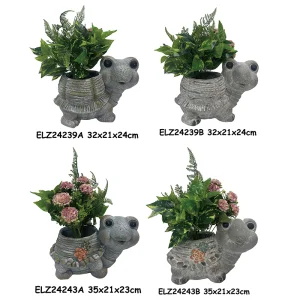
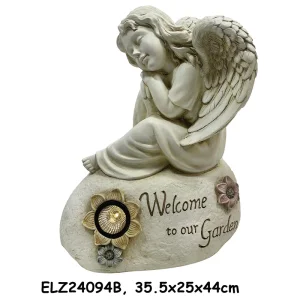
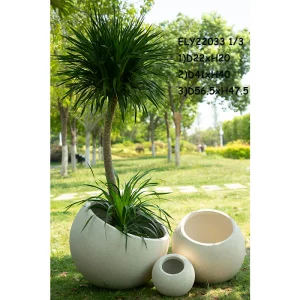
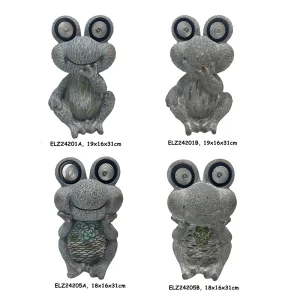
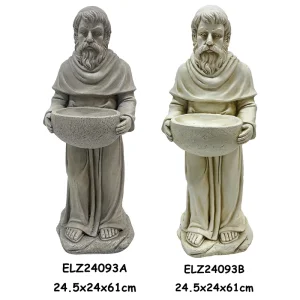
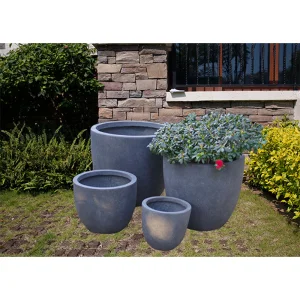
Engineered specifically to endure New England's harsh climate cycles, featuring reinforced MGO matrices and UV-stable pigments.
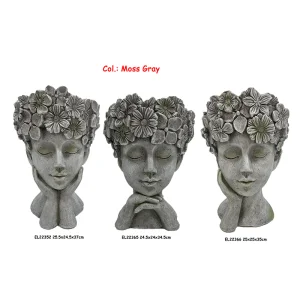
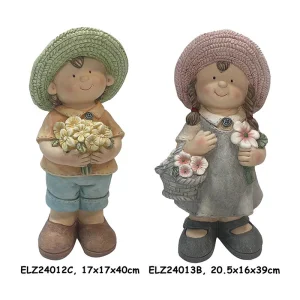
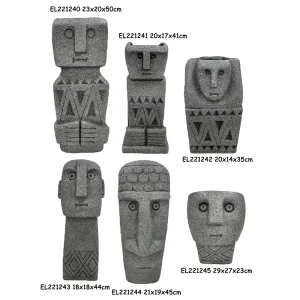
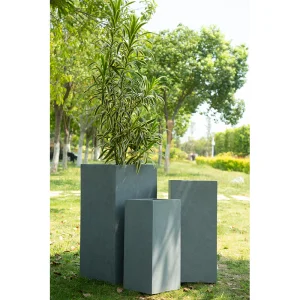
The Greater Boston metropolitan region—spanning from the high-density glass-and-steel developments of the Seaport District to the historic Victorian brownstones of Back Bay and Beacon Hill—presents a unique intersection of classical architectural heritage and cutting-edge urban design. For commercial landscape architects, property managers, municipal planners, and high-end home decor distributors across Massachusetts, sourcing clay crafts and outdoor statuary requires balancing aesthetic elegance with rigorous structural and climatic resilience.
Boston experiences USDA Hardiness Zones 6b to 7a climatic conditions, characterized by brutal freeze-thaw fluctuations during winter months, coastal salt-air exposure from Massachusetts Bay, high humidity in summer, and intense thermal expansion shifts. Traditional terracottas and unreinforced ceramic pots frequently crack, spall, and disintegrate within 12 to 24 months of outdoor deployment in New England due to capillary water absorption freezing at -10°C (14°F).
Furthermore, Boston’s rapid commercial growth in Kendall Square (Cambridge) and Assembly Row (Somerville) has accelerated the demand for lightweight, high-tensile architectural vessels. Rooftop gardens, sky lounges, and cantilevered balconies impose strict dead-load limitations under the Massachusetts State Building Code (780 CMR). Traditional concrete planters (weighing 300+ lbs empty) strain structural margins. Custom fiber clay crafts deliver identical stone-like visual aesthetics at less than 30% of the dead weight, enabling lush greenery integration on elevated urban structures.
Understanding the molecular composite matrix that powers modern high-durability architectural ceramics.
Utilizing high-purity Magnesium Oxide reactively bonded with Magnesium Sulfate solutions. This forms a dense crystal lattice that resists salt efflorescence and atmospheric sulfur pollution common in coastal ports like Boston.
Woven alkali-resistant (AR) fiberglass mesh embedded within layers of clay slurry yields high flexural strength (tensile capacity > 15 MPa), enabling thin-wall construction without structural brittleness.
Polymer-modified surface sealants penetrate micro-pores to prevent water ingress while maintaining vapor breathability, guarding against deep-freeze expansion and micro-cracking in sub-zero Boston winters.
| Material Property | Elandgo Fiber Clay (MGO) | Traditional Terracotta | Glass Fiber Reinforced Concrete (GFRC) | Rotomolded Plastic |
|---|---|---|---|---|
| Density / Mass | 1.2 - 1.5 g/cm³ (Lightweight) | 2.1 - 2.3 g/cm³ (Heavy) | 1.9 - 2.2 g/cm³ (Very Heavy) | 0.9 - 1.1 g/cm³ (Ultra-light) |
| Water Absorption Rate | < 7.5% (High resistance) | 12% - 18% (Vulnerable) | 5% - 8% (Good) | 0.01% (Impermeable) |
| Freeze-Thaw Durability | Superior (500+ Cycles) | Poor (Cracks in Boston Winter) | Excellent | Degrades under thermal shock |
| Structural Rigidity | High Flexural Strength | Brittle / Low Impact Resistance | Extremely High | Flexes / Warps under heavy soil |
| Aesthetic Realism | Natural Hand-carved Clay / Stone | Natural Rustic Ceramic | Architectural Concrete | Artificial / Plastic Texture |
| LEED Contribution | Low-Carbon Inorganic Matrix | High Energy Kiln Fired | Moderate Carbon Footprint | Petroleum Synthetic Base |
In Boston's Innovation District, commercial skyscrapers require large-format geometric planters (cubes, spheres, tall squares) that can withstand extreme wind shear off Boston Harbor while maintaining strict weight compliance over underground parking structures.
Historic residential districts governed by strict aesthetic guidelines favor classical rustic statuary, antique lead-effect urns, and floral relief planters. Fiber clay replicates 19th-century cast iron and weathered terracotta without structural overload on wooden stoops.
Institutions across Kendall Square and Harvard Square prioritize sustainable outdoor seating zones and biophilic green spaces. Non-toxic, zero-VOC fiber clay vessels support LEED v4.1 indoor and outdoor air quality targets.
Pioneering smart manufacturing and bio-composite advancements for 2025 and beyond.
Transitioning from conventional MGO slurry to industrial fly-ash and pozzolan-based geopolymers. This lowers embedded carbon footprints by up to 65%, directly supporting Boston's Carbon Free 2050 municipal climate goal.
Embedding internal structural cavities during casting to house soil moisture, temperature, and freeze-risk sensors for automated irrigation management in large-scale Boston commercial developments.
Next-gen silane-siloxane molecular surface treatments that repel road-salt spray and urban atmospheric grime while self-cleaning during coastal precipitation events.
Procuring imported craft products for commercial or municipal contracts in New England requires total regulatory alignment. Elandgo Crafts delivers comprehensive technical verification for US landscape architects and trade buyers:
Browse our complete lineup of export-ready handcrafted fiber clay statues, solar garden accent figures, and architectural planters.