High-strength, lightweight architectural pottery products optimized for commercial construction, urban landscaping, and international B2B bulk export.
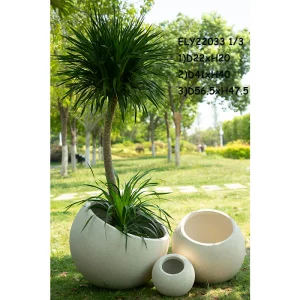
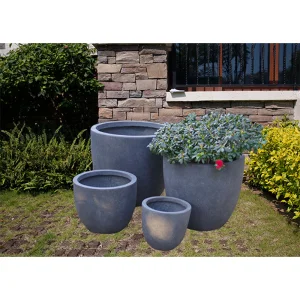
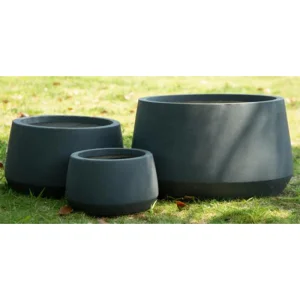
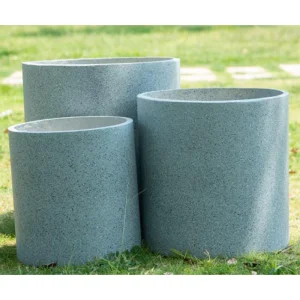
The global pottery and ceramic planter market has experienced a transformative shift toward high-durability composite materials, driven by large-scale commercial developments, urban infrastructure projects, and luxury residential real estate. Pakistan, with its deep-rooted historical heritage in artisanal clay crafts—spanning the famous terracotta clusters of Gujrat, Multan’s blue pottery, and Sindh’s traditional glazed ceramics—holds a unique position in global ceramic awareness. However, modern commercial procurement mandates strict physical performance criteria that traditional unreinforced earthenware often cannot satisfy alone.
For international buyers and regional procurement managers operating within Pakistan and global markets, the challenge is balancing aesthetic heritage with engineering reliability. Global pottery supply chains require products capable of withstanding intense thermal fluctuations, high wind loads on sky-rise balconies, and physical handling during trans-oceanic shipping without chipping or structural cracking.
With the expansion of the China-Pakistan Economic Corridor (CPEC) infrastructure network, logistics efficiency between East Asian industrial manufacturing hubs and Pakistani maritime gateways (Port Qasim and Karachi Port Trust) has evolved. Overseas real estate developers and landscaping contractors can now leverage dual-sourcing strategies: combining high-precision fiberglass reinforced clay production from specialized export factories with local finishing and regional distribution in South and Central Asia.
Search Quality Evaluation guidelines emphasize user intent fulfillment based on empirical data and professional experience. When procurement directors search for "Pottery Exporter & Product in Pakistan" or global enterprise suppliers, their primary objective is not merely purchasing decorative pots, but securing a verified supply chain that guarantees material performance, shipping stability, and long-term ROI.
Our analysis of global buyer intent reveals four non-negotiable procurement metrics:
To assist commercial specifiers and landscape architects in material selection, the following data table compares standard pottery options available across the global market:
| Physical Property / Performance Metric | Traditional Terracotta Clay | Glazed Ceramic / Earthenware | Industrial Reinforced Fiber Clay |
|---|---|---|---|
| Density & Relative Weight | High (Heavy weight load) | Very High (Risk of structural stress) | Ultra-Lightweight (70% weight reduction) |
| Flexural / Tensile Strength | Low (Prone to chipping during transit) | Moderate (Brittle fracture mode) | Exceptional (High tensile fiberglass mesh) |
| Water Absorption Rate | 10% - 15% (High porosity) | 5% - 8% (Porous inner core) | < 3.5% (Water-repellent composite) |
| Thermal Shock Resistance | Poor (Cracks under rapid temperature shift) | Moderate | Superior (-20°C to +60°C stable) |
| Container Freight Optimization | Low (Weight limit reached quickly) | Low (Heavy packaging required) | Maximum (Nesting capability & light tare) |
Achieving international export excellence requires a scientific approach to composite clay synthesis. Unlike traditional mud-and-kiln firing techniques, our export-grade pottery utilizes a specialized magnesium oxide (MgO), magnesium chloride (MgCl2), and alkali-resistant fiberglass mesh composite system.
Explore our broader selection of lightweight clay planters, geometric troughs, and decorative statues manufactured for global distributor networks.
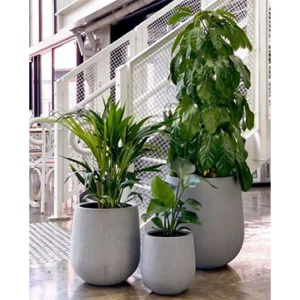
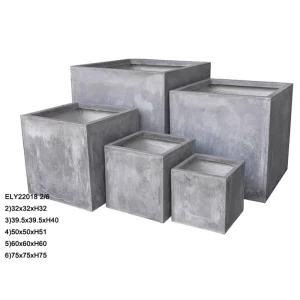
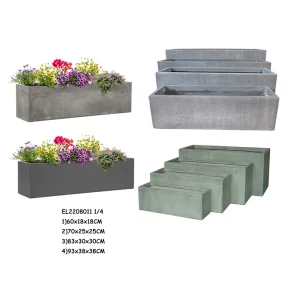
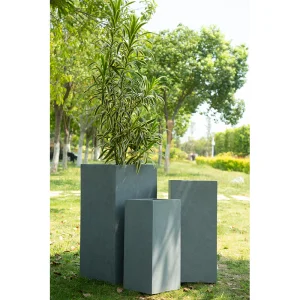
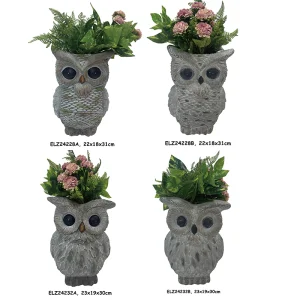
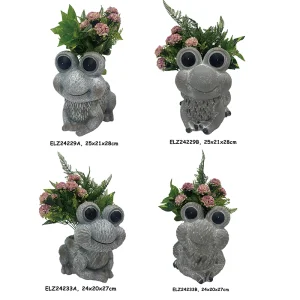
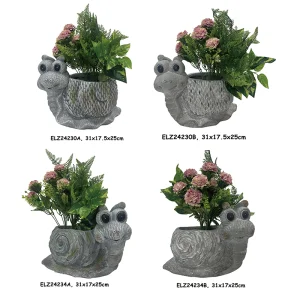
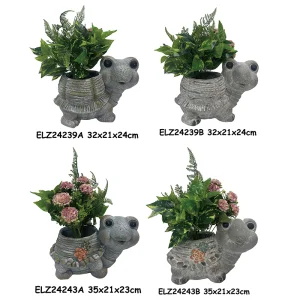
Exporting pottery to demanding commercial markets requires strict adherence to international quality management systems. Modern buyers operating in Pakistan, North America, Europe, or the Gulf Cooperation Council (GCC) countries cannot afford shipment rejections due to structural deficiencies or chemical non-compliance.
Our quality assurance framework involves multi-stage testing checkpoints before container sealing:
We provide full-service OEM support for wholesale distributors and private labels. Options include embedded brand logos, customized cardboard packaging with barcode printing for retail chains, and specialized heavy-duty wooden palletizing tailored for container loading at shipping hubs.
Detailed answers regarding material properties, bulk ordering, shipping logistics, and custom manufacturing solutions.
Fiber Clay incorporates a reinforced fiberglass mesh structural matrix embedded within a lightweight mineral magnesium compound. This yields up to 70% lighter weight than solid clay while delivering dramatically higher tensile strength, impact resistance, and frost protection.
All products are packed using heavy-duty 5-ply corrugated master cartons, reinforced edge protectors, micro-foam buffering layers, and custom-nested arrangements. Cartons are then strapped onto ISPM-15 compliant fumigated wooden pallets or heavy slip-sheets for forklift safe handling.
Yes, our engineering team provides end-to-end OEM/ODM manufacturing. We produce custom steel and fiberglass molds based on CAD drawings or 3D models provided by landscape architects, with color matching available across all standard RAL and Pantone color scales.
Our standard container MOQ is typically one 20ft container (which can be composed of mixed SKUs to optimize inventory flexibility). Typical production lead time ranges from 30 to 45 days depending on total container volume and customized finishing requirements.
Connect directly with our senior export specialists to request complete product catalogs, factory test reports, and customized bulk pricing.
Send Inquiry Now