Engineered with proprietary MGO-composite matrix for extreme UV resistance in the Gran Chaco and Asunción heat.
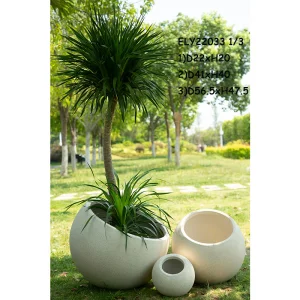
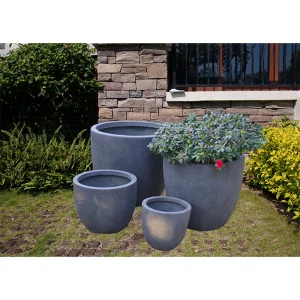
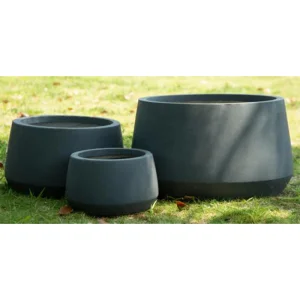
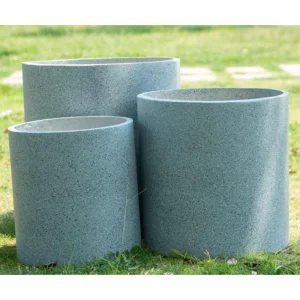
A rigorous examination of Paraguay’s dual ceramic landscape: the heritage of domestic red clay artisanal kilns versus the urgent deficit of high-performance architectural planters for contemporary urban expansion.
Paraguay possesses a vibrant, storied heritage in ceramic crafts centered largely around the municipality of Areguá in the Central Department, as well as artisanal pockets in Tobatí and Itá. For generations, local artisans have extracted indigenous red clay (barro rojo) to produce charming domestic pottery, ornamental terracotta figures, and decorative glazed pots fired in wood-fueled artisanal kilns. However, as the metropolitan landscape of Asunción (Gran Asunción) undergoes an unprecedented architectural transformation—marked by luxury high-rises along Avenida Santa Teresa, Avenida Molas López, and the corporate epicenter of Aviadores del Chaco—the physical limitations of traditional local pottery have precipitated an acute commercial void.
Traditional terracotta pottery produced in low-temperature artisanal kilns suffers from inherently high water absorption rates (often exceeding 12% to 16%), weak flexural tensile strength, and extreme dead-weight. Under Paraguay’s humid subtropical climate (Köppen: Cfa), characterized by torrid summers exceeding 40°C, high atmospheric humidity, and periodic torrential storm deluges, traditional unreinforced clay planters absorb excessive subterranean moisture. This results in rapid alkaline efflorescence (salitre), surface spalling, and frost/thermal-shock fracturing. Furthermore, the sheer volumetric weight of wet terracotta imposes perilous structural load penalties on cantilevered high-rise balconies, corporate podium decks, and commercial rooftop gardens across Asunción and Ciudad del Este.
This structural mismatch has forced leading Paraguayan landscape architects, civil contractors, and commercial developers to bypass unstandardized local kiln outputs in pursuit of engineered Fiber Clay (Magnesium Oxychloride - MGO composite matrix reinforced with alkali-resistant fiberglass netting). As an established direct manufacturing enterprise based in Xiamen, Fujian, our factories bridge this supply disparity by delivering standardized, modular, and climate-impervious pottery directly to Paraguayan commercial importers, home-center retail chains (such as those in Luque, San Lorenzo, and Mariano Roque Alonso), and turnkey landscape engineering firms.
Fiber clay reduces structural dead-weight by up to 65% versus traditional terra cotta, permitting large-scale biometric greenery on Asunción high-rise cantilevers and post-tensioned slabs.
Engineered magnesium oxychloride cement formulations eliminate free calcium hydroxide leaching, terminating unsightly white salt staining under torrential rains.
Every commercial container load complies with strict dimensional tolerance matrices (±2mm), guaranteeing seamless integration into mass-market corporate contracts.
Engineered to endure the hyper-thermal conditions of Alto Paraná, the dense urban corridors of Gran Asunción, and luxury resort hospitality developments in Encarnación.
Paraguay is characterized by aggressive microclimates that rapidly destroy substandard garden planters. In the western Chaco (Occidental Region), solar irradiance values frequently trigger surface substrate temperatures surpassing 60°C, while in the eastern zone (Asunción, Ciudad del Este, Caaguazú), high relative humidity combines with intense summer precipitation. Our engineered pottery products are formulated specifically to conquer these operational realities across four focal procurement categories:
Tailored for residential developments along Av. Santa Teresa and Molas López where light wind resistance, perimeter drop-safety, and root thermal insulation are critical for subtropical flora.
High-traffic retail corridors require impact-resistant exterior pottery with inorganic non-toxic pigmenting that withstands perpetual foot traffic and automated floor maintenance equipment.
Positioned along the Paraná River coastline, outdoor hospitality planters undergo harsh humidity cycles and requires non-porous formulations to repel moss, fungal spores, and moisture degradation.
| Performance Metric | Elandgo Engineered Fiber Clay | Areguá Red Clay Terracotta | Standard GFRC Concrete | Rotomolded Plastic Planters |
|---|---|---|---|---|
| Material Composition | MGO + MgCl2 + Alkali Glass Net | Raw Ferruginous Silt & Kaolin | Portland Cement + Sand + Glass | High-Density Polyethylene (HDPE) |
| Dry Bulk Density (g/cm³) | 1.35 – 1.55 g/cm³ (Lightweight) | 2.10 – 2.30 g/cm³ (Extremely Heavy) | 2.20 – 2.45 g/cm³ (Heavy) | 0.92 – 0.96 g/cm³ (Too Light/Unstable) |
| Water Absorption Rate | < 4.2% (Nano-Sealed) | 14.0% – 19.5% (High Porosity) | 6.0% – 9.5% | 0.01% (Zero Breathability) |
| Subtropical UV Stability | Inorganic Mineral Oxide Pigment (Class 8) | Susceptible to Rapid Flaking/Chalking | Prone to Surface Micro-Crazing | Severe Yellowing & Polymer Embrittlement |
| High-Rise Balcony Feasibility | Optimal (Engineered Weight Ratio) | Dangerous Dead-Weight Hazard | Requires Structural Rebar Upgrade | Prone to Wind Blow-Over Disasters |
| Thermal Conductivity (λ) | 0.24 W/m·K (Protects Root Balls) | 0.85 W/m·K (Rapid Root Scorching) | 1.30 W/m·K (Heat Retention) | 0.48 W/m·K (Excessive Internal Heat) |
How state-of-the-art Fujian ceramic synthesis infrastructure delivers unmatched supply continuity, freight density, and margin security for Latin American wholesale distributors.
On a macro scale, the global commercial pottery and architectural planter market is moving decisively away from primitive, energy-intensive single-kiln terracotta and fragile polyresin towards high-entropy fiber-reinforced composite ceramics. For decades, traditional production hotbeds across Vietnam, Southern Europe, and Latin America relied heavily on natural gas or timber-fired kilns. These processes are inherently prone to fluctuating dimensional variations, inconsistent water curing, and disastrous breakage rates during transoceanic transit (frequently exceeding 8% to 15% per maritime container).
As a premier Chinese enterprise headquartered in Xiamen, Fujian Province—China’s global hub for stone, ceramics, and advanced craft engineering—Elandgo Crafts (Xiamen Elandgo Crafts Co., Ltd.) leverages an integrated industrial cluster. Since 2010, under the technical direction of founder Mr. Lai (with over two decades of manual molding mastery), we have industrialized fiber clay production through standardized slurry rheology, computerized hydraulic presses, and regulated multi-stage curing chambers.
For Paraguayan B2B importers, this manufacturing sophistication translates directly into bottom-line logistical savings. Because Paraguay is an inland republic accessible primarily via the Paraná-Paraguay waterway, shipping costs from transshipment seaports (such as Buenos Aires, Montevideo, or Santos) represent a substantial portion of landed costs. Our specialized production facilities engineer each pottery line with nested volumetric geometry. Planters are mathematically sized in concentric sets of 3, 4, or 5 pieces, allowing up to 1,800 to 2,400 individual units to pack into a single 40-foot High Cube (40HC) ocean container with virtually zero wasted space. This engineering reduces landed shipping costs per unit by up to 45% compared to non-nestable European or traditional Latin American terracotta pots.
CAD-directed precision steel & fiberglass tooling ensures identical structural wall thickness (±1.5mm) and optimized taper angles for nesting.
Multi-layer cross-weave fiberglass rovings bonded in an inorganic magnesium slurry, room-temperature cured under strict humidity controls.
Each set is encased in shock-absorbent honeycomb edge guards, shrink-wrapped with moisture scavengers on heat-treated ISPM-15 export pallets.
Transshipped at Montevideo or Buenos Aires into river convoys, docking seamlessly at Puerto Fénix or Puerto Caacupemí in Asunción.
Continuous innovation in binder chemistry, hydrophobic surface nanotech, and circular industrial byproducts.
In tropical and subtropical landscape deployments, commercial pottery vessels face continuous chemical challenges. Subsurface irrigation water, coupled with organic and synthetic fertilizers (NPK mixtures), routinely creates an acidic root-zone environment (pH 5.2 – 6.5). In conventional concrete planters, this acidity dissolves the calcium silicate hydrate matrix, producing structural micro-fissures and brittle corners.
Our current manufacturing platform utilizes a Phase-5 Magnesium Oxychloride Cement (MOC) matrix enhanced with aqueous silane-siloxane nanocoatings. The primary technical objectives embedded within our ongoing engineering roadmap include:
Penetrating internal sealants create an impenetrable liquid barrier while allowing internal vapor transmission (>25g/m²·day), preventing root asphyxiation during Paraguay's monsoon cycles.
Transitioning from E-glass fiber grids to continuous basalt fiber rovings, boosting flexural impact tolerance past 28.5 MPa for public municipal deployments.
Eliminating thermal kiln consumption entirely. Natural chemical hydration curing at room temperature slashes embodied production carbon by 72% versus conventional ceramics.
Complete trade facilitation: navigating fluvial transshipment, customs documentation, and phytosanitary container clearances.
Because Paraguay is landlocked, international trade demands deep logistical competence. Commercial shipments depart our production center in Xiamen, China (Port of Xiamen - Port Code: CNXMN) via major ocean carriers (Maersk, MSC, Evergreen, COSCO). Goods transit to key South American Atlantic transshipment hubs—predominantly Montevideo (Uruguay) or Buenos Aires (Argentina). At these transshipment hubs, containers are securely shifted to shallow-draft river push-barges navigating north through the Hidrovía Paraguay-Paraná inland waterway system.
Shipments arrive at private port terminals in the Gran Asunción zone, specifically Puerto Fénix (Mariano Roque Alonso), Puerto Caacupemí (Zeballos Cué), or Puerto Seguro Fluvial (Villeta). Elandgo Crafts provides full documentary support tailored specifically for Paraguayan customs brokerage (Despachantes de Aduana), including:
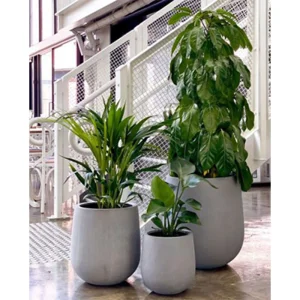
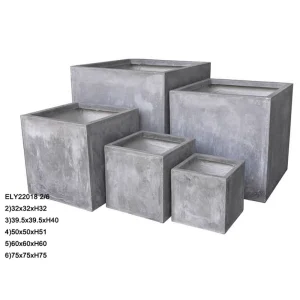
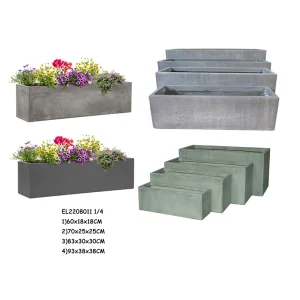
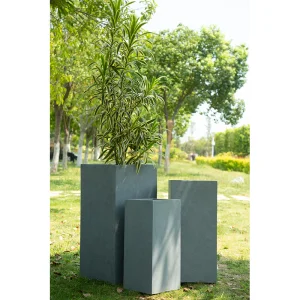
Strictly configured in balanced 4-column rows: zero orphan cards, optimized for corporate procurement orders.


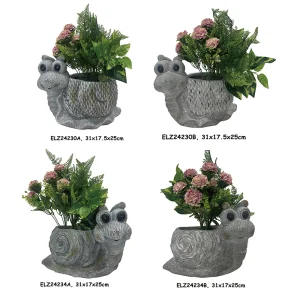
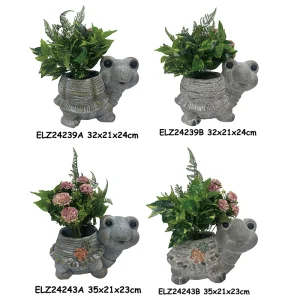
Expert clarifications on logistics lead times, customs duty optimization, container volume consolidation, and custom tooling.
Partner directly with Xiamen’s leading fiber clay pottery manufacturer. Access factory-direct wholesale pricing, guaranteed container nesting optimization, and end-to-end export documentation for Asunción.